




Lifting Hooks vs Lifting Straps: Which Is Better for Heavy Weightlifting?
When it comes to building strength and improving gym performance, having the right equipment can make your workouts more comfortable and effective. Two popular accessories used by weightlifters are lifting hooks and lifting straps.
Both products are designed to help lifters manage grip demands during pulling exercises. However, they work differently, and choosing the right option depends on your training style, exercise selection, and personal preferences.
If your hands become tired during deadlifts, rows, shrugs, or other pulling movements, you may have wondered whether lifting hooks or lifting straps are the better choice.
In this guide, we will compare lifting hooks vs lifting straps, explain their differences, discuss their advantages, and help you decide which one belongs in your gym bag.
What Are Lifting Hooks?
Lifting hooks are weightlifting accessories designed to help you hold onto a barbell, dumbbell, or other gym equipment during pulling exercises.
They typically feature a metal hook attached to a wrist strap. The wrist strap wraps around your wrist, while the hook connects to the bar.
This design helps reduce how much you need to rely on your fingers to maintain your grip.
Lifting hooks are commonly used for:
-
Deadlifts
-
Lat pulldowns
-
Barbell rows
-
Dumbbell rows
-
Heavy shrugs
-
Pulling exercises
They are particularly popular among gym users who want an alternative to traditional lifting straps.
What Are Lifting Straps?
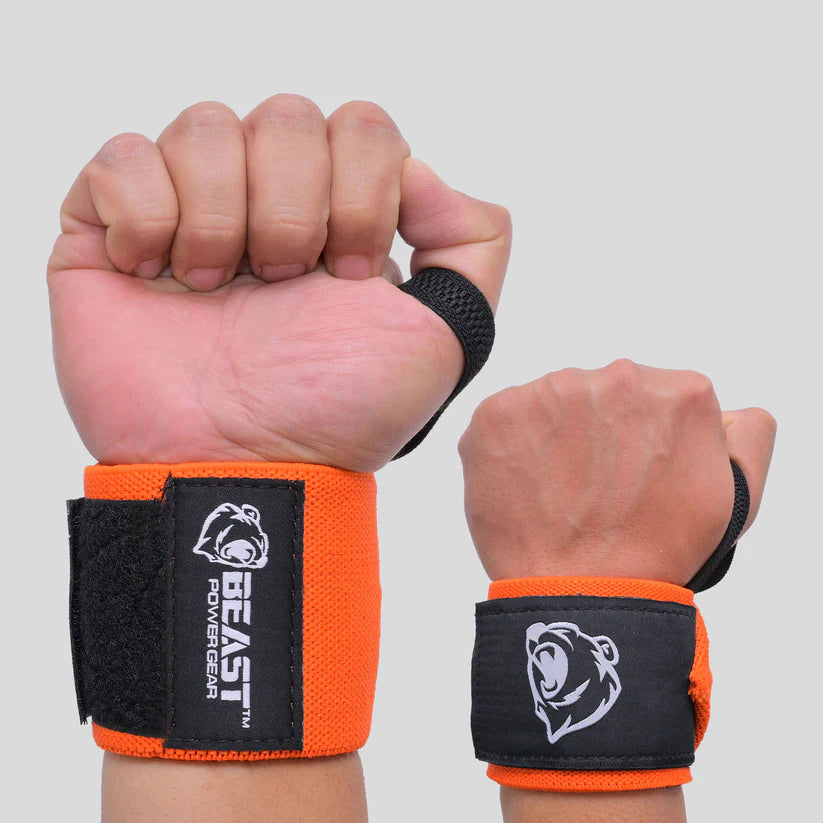
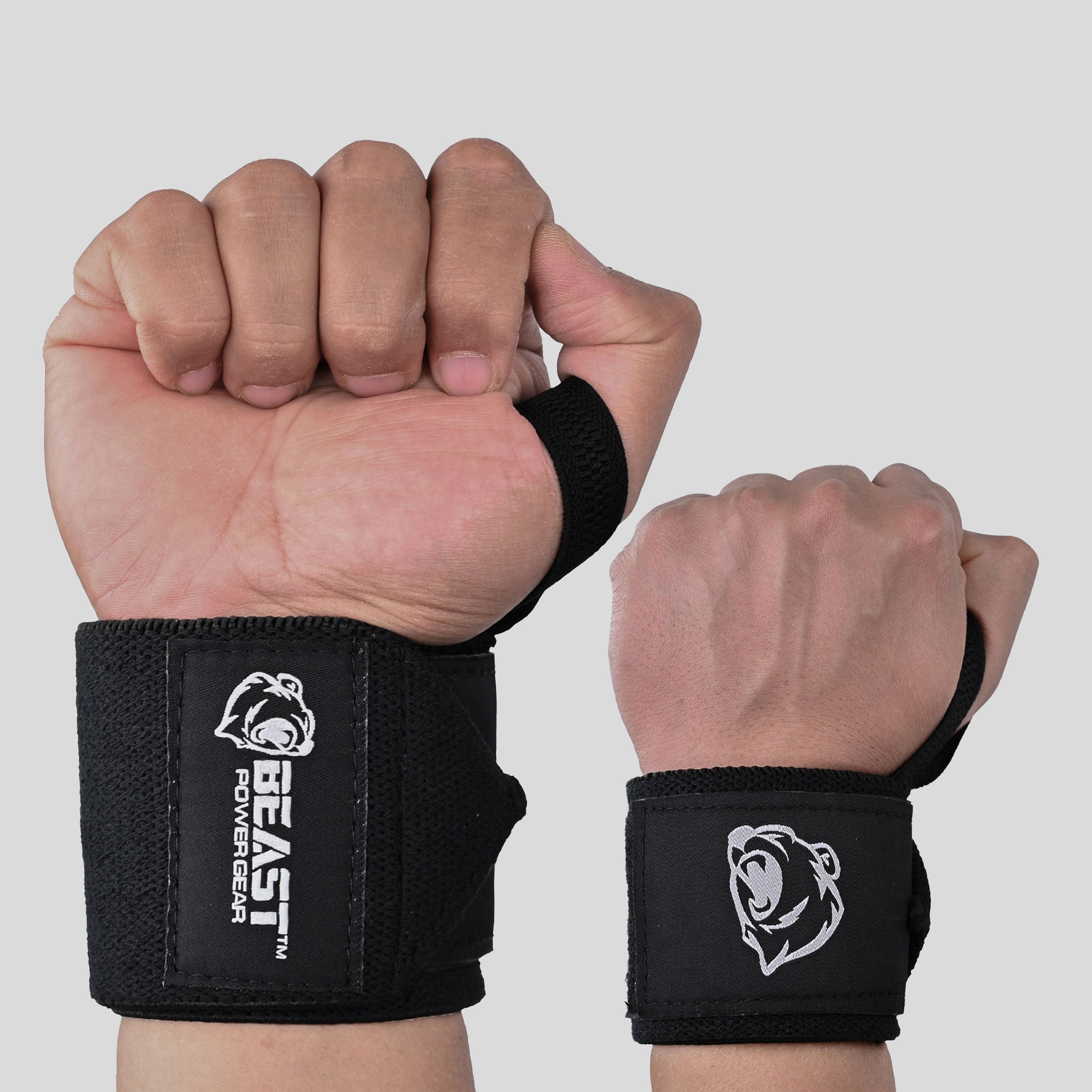
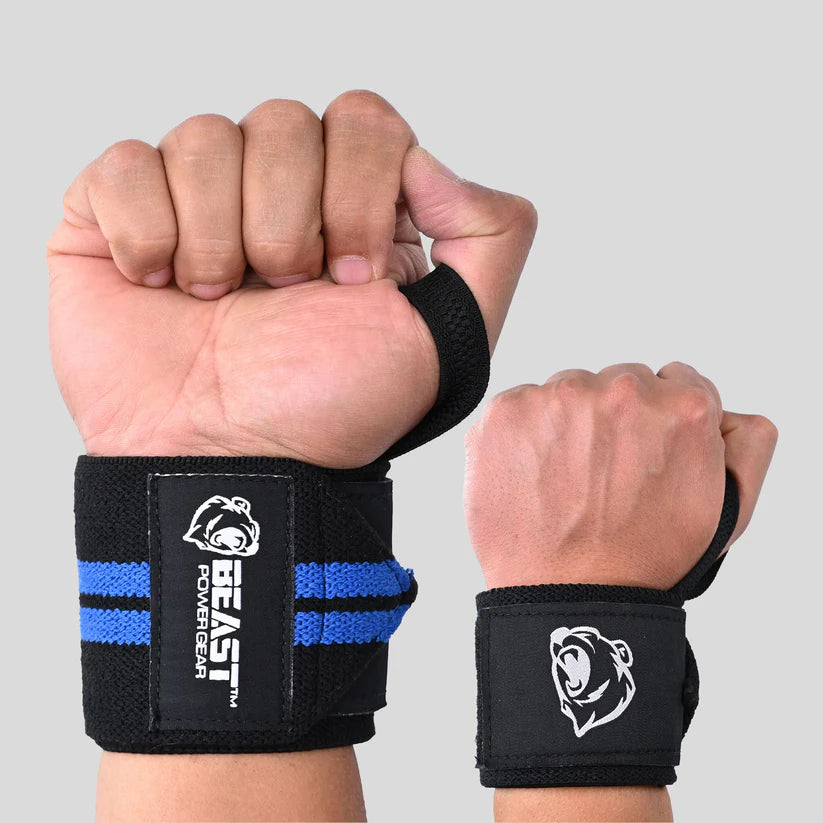
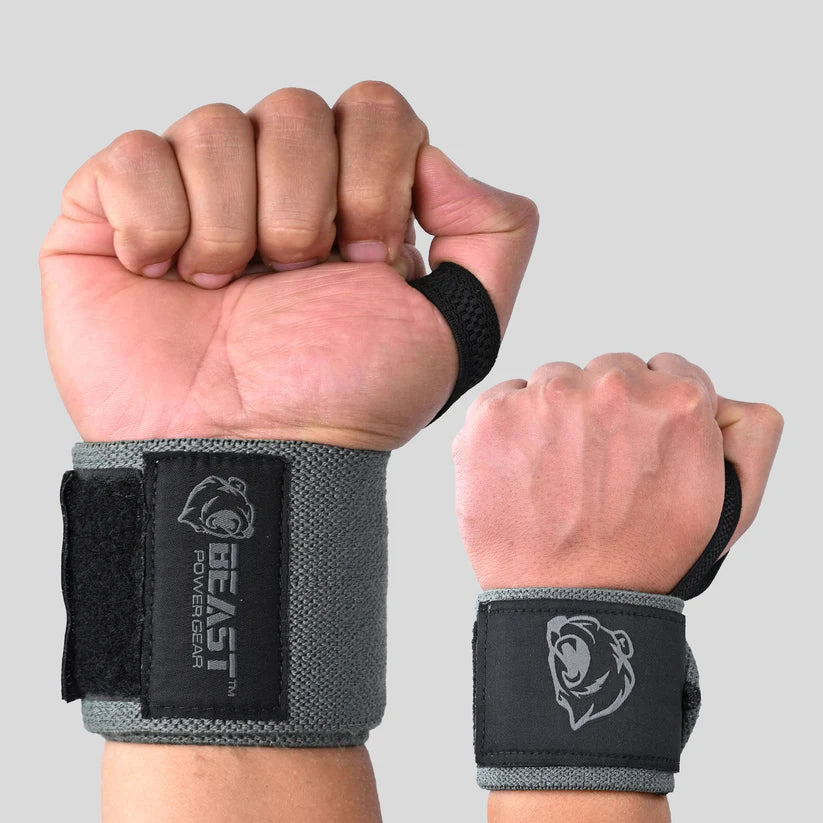
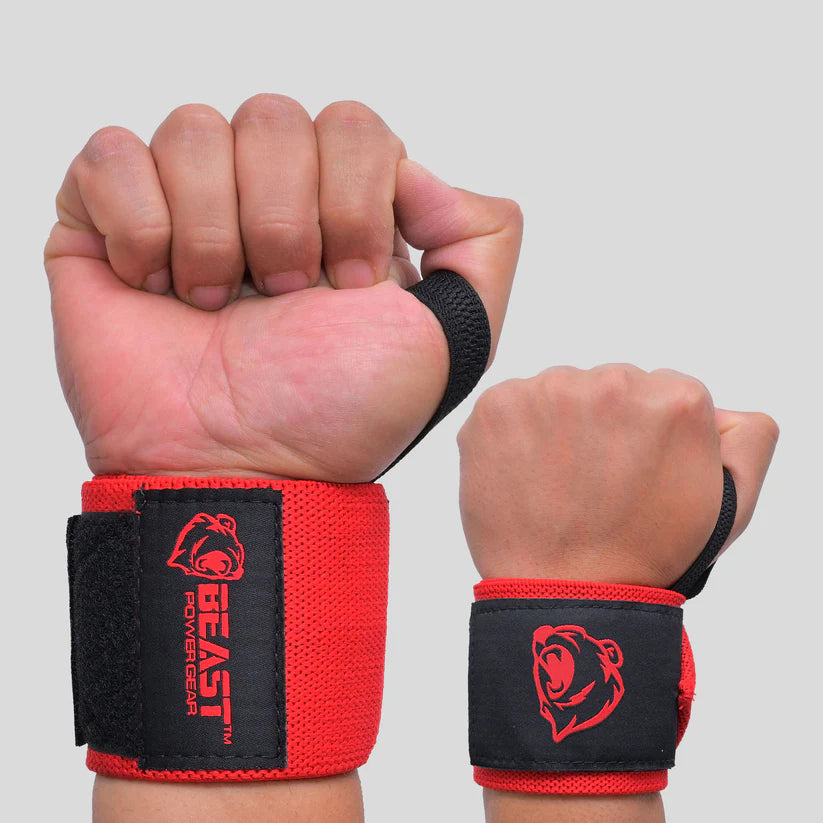
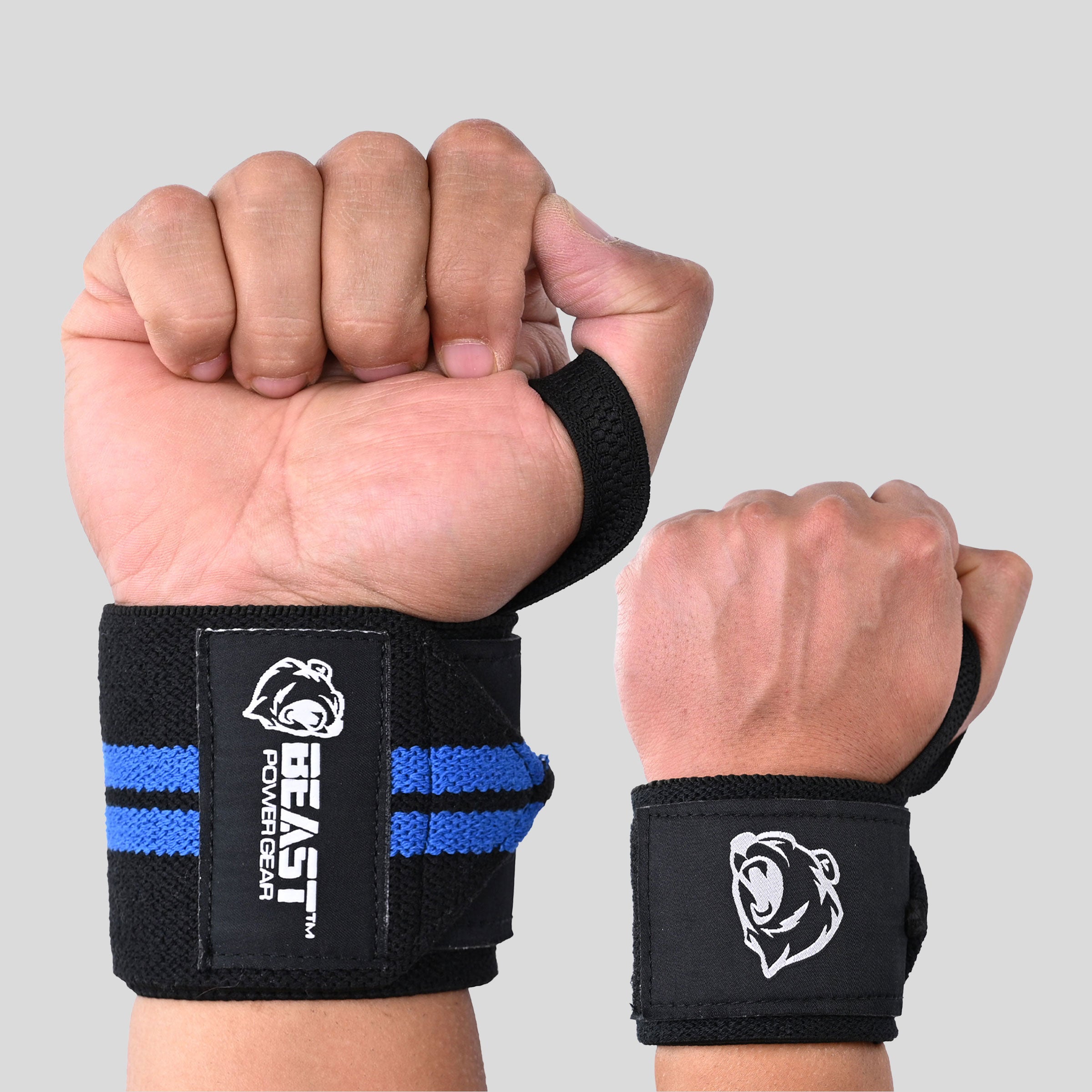
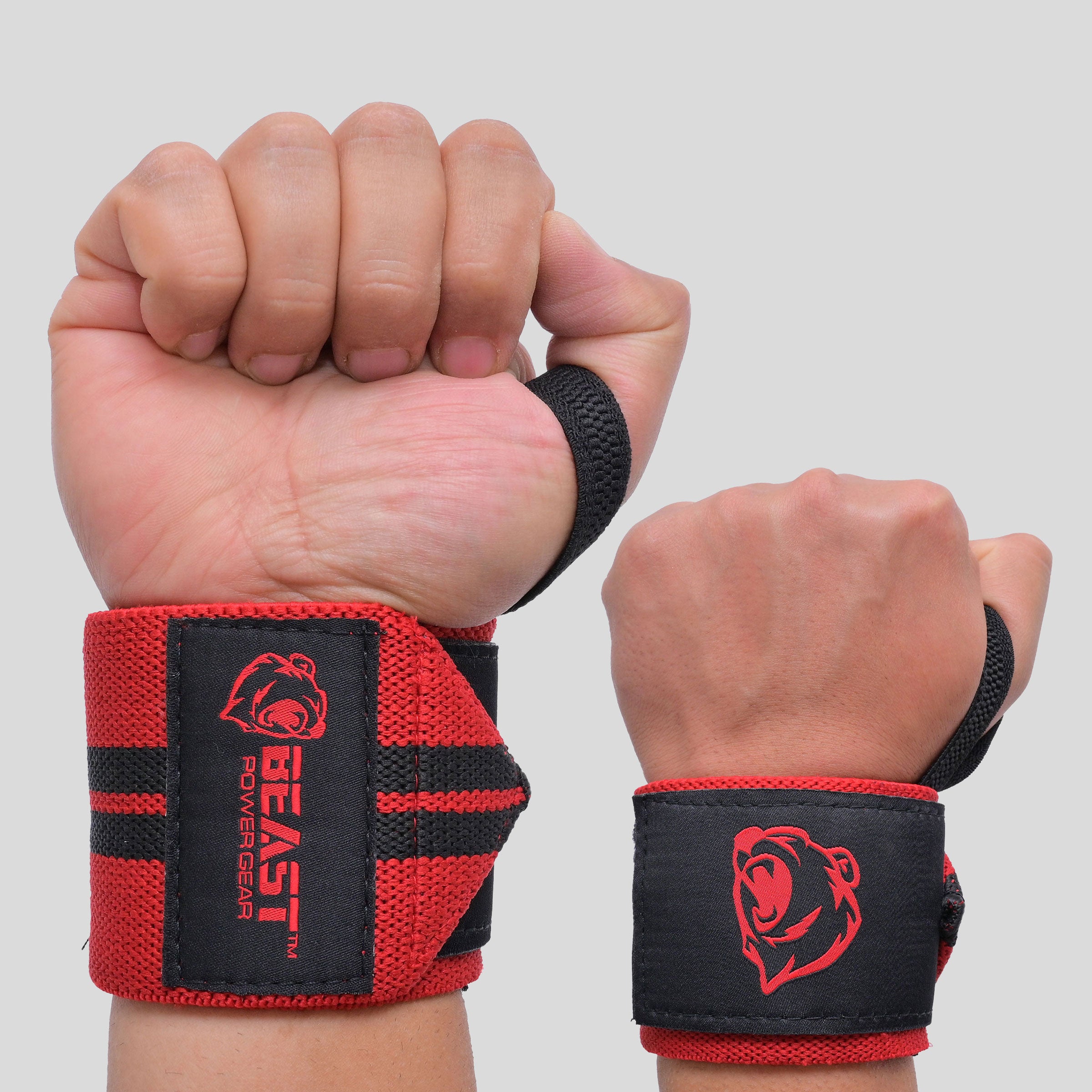
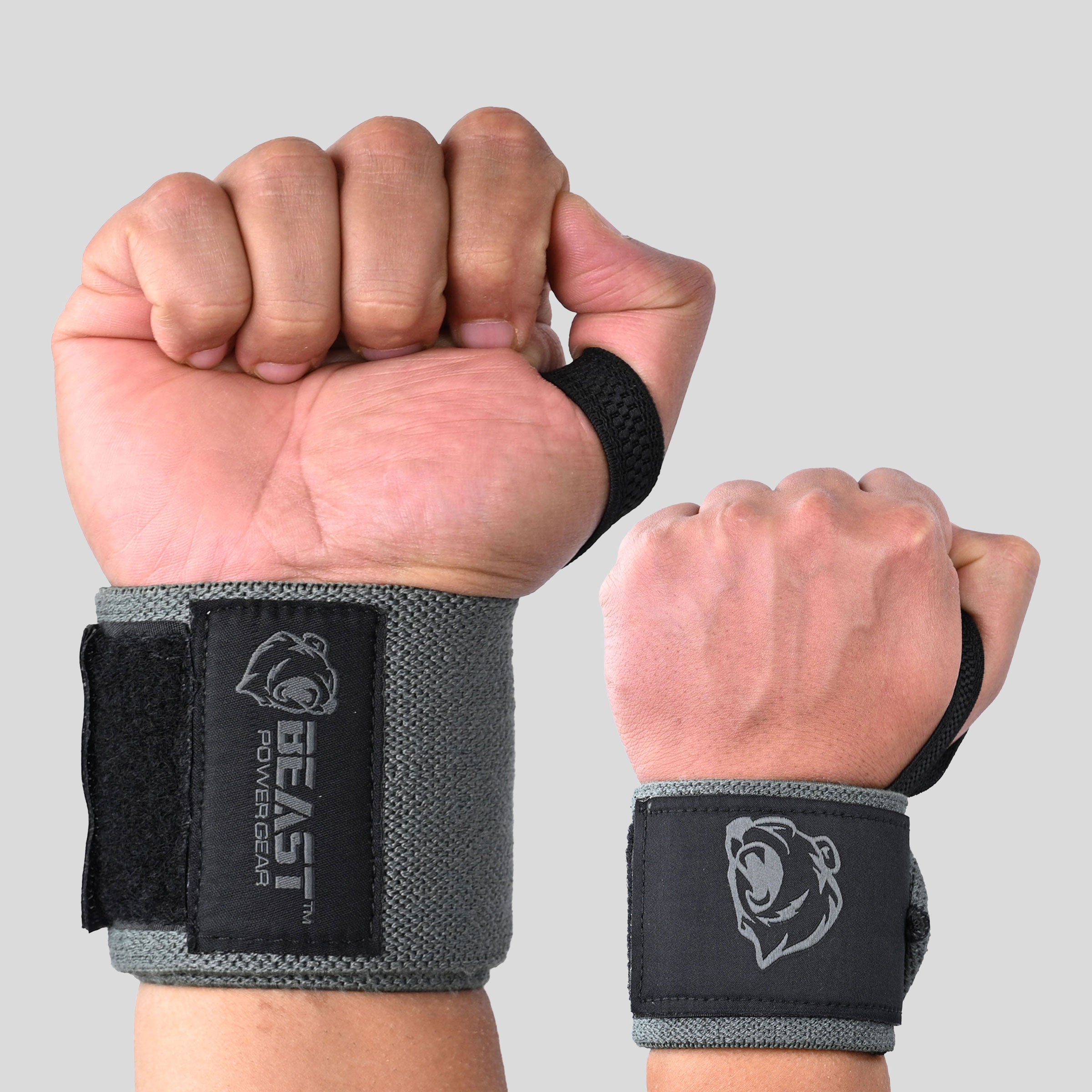
Lifting straps are fabric accessories that wrap around your wrist and the barbell or dumbbell.
They create an additional connection between your hand and the equipment, helping you maintain your grip during demanding pulling movements.
Most lifting straps are made from cotton, nylon, or other durable materials.
They are commonly used for:
-
Conventional deadlifts
-
Romanian deadlifts
-
Barbell rows
-
Rack pulls
-
Shrugs
-
Heavy pulling exercises
Unlike lifting hooks, straps require you to wrap the material around the bar before lifting.
This makes them a flexible option for many strength-training exercises.
Lifting Hooks vs Lifting Straps: Key Differences
Although both accessories can help with grip during pulling exercises, their designs and usage are different.
| Feature | Lifting Hooks | Lifting Straps |
|---|---|---|
| Design | Metal hook with wrist padding | Fabric strap |
| Setup | Generally quick to attach | Requires wrapping around the bar |
| Grip assistance | Hook connects to equipment | Strap secures hand to equipment |
| Learning curve | Usually simple | Requires wrapping technique |
| Common use | Rows, pulldowns, shrugs | Deadlifts, rows, shrugs |
| Personal preference | Convenient hook design | Traditional lifting feel |
Neither option is automatically better for every lifter. Your decision should depend on the exercises you perform and the type of grip assistance you prefer.
Benefits of Using Lifting Hooks
Lifting hooks offer several practical advantages for strength training.
1. Convenient Setup
One advantage of lifting hooks is their simple design.
Instead of wrapping fabric around the bar, you position the hook underneath the equipment and secure your wrist.
This can make transitions between exercises more convenient.
2. Wrist Padding
Many lifting hooks include padding around the wrist area.
Padding can make the accessory more comfortable during training, although comfort depends on the material, design, and fit.
3. Useful for Pulling Exercises
Lifting hooks can be useful during lat pulldowns, rows, shrugs, and other pulling movements.
They provide an alternative way to connect your hands to the equipment when grip fatigue becomes a limiting factor.
4. An Alternative to Traditional Straps
Some athletes simply prefer the feel of lifting hooks.
If you find traditional straps difficult to wrap around the bar, hooks may be worth considering.
Benefits of Using Lifting Straps
Lifting straps remain a popular choice among bodybuilders, powerlifters, and recreational gym users.
1. Additional Grip Assistance
Lifting straps help connect your wrists to the bar, which can reduce the amount of grip strength required to hold heavy equipment.
This may be useful when your grip becomes tired before the muscles you are targeting.
2. Suitable for Different Pulling Exercises
You can use lifting straps for several movements, including deadlifts, Romanian deadlifts, rows, and shrugs.
Their simple fabric design makes them a versatile gym accessory.
3. Different Materials and Designs
Lifting straps are available in cotton, nylon, and other materials.
Some designs include additional wrist padding for comfort.
For example, padded cotton lifting straps offer a combination of fabric support and wrist cushioning.
4. Useful for Progressive Training
As you increase your training weights, your grip may sometimes become a limiting factor.
Straps can help you perform certain pulling exercises without relying entirely on your bare-hand grip.
However, they should complement rather than completely replace regular grip-strength training.
Which Is Better for Deadlifts?
The answer depends on your preferences and training goals.
Lifting straps are a popular option for deadlifts because they wrap around the bar and create a secure connection between your hands and the equipment.
Lifting hooks can also be useful, particularly for people who prefer their hook-based design.
Consider these factors:
-
Choose straps if you prefer a traditional fabric connection to the bar.
-
Choose hooks if you prefer a quicker hook-based setup.
-
Consider comfort and wrist fit before purchasing either product.
-
Practice with lighter weights before using new equipment during heavy lifts.
If you compete in powerlifting, always check the rules of your federation. Some competitions restrict the use of lifting straps and hooks during specific events.
When Should You Use Lifting Hooks or Straps?
Your choice also depends on the exercise you are performing.
Deadlifts
Lifting straps are commonly used for heavy deadlift training when grip becomes a limiting factor. Hooks may also be suitable depending on your comfort and equipment setup.
Lat Pulldowns
Both hooks and straps can be used during lat pulldowns. Some gym users prefer hooks because they are convenient to attach.
Barbell Rows
Both accessories can help reduce grip demands during heavy rowing movements.
Shrugs
Hooks and straps can both be useful when holding heavy dumbbells or barbells for repeated shrug sets.
Remember that grip accessories do not replace proper exercise technique or appropriate weight selection.
How to Choose the Right Lifting Hooks
Before purchasing lifting hooks, consider the following points.
Wrist Padding: Look for comfortable padding that fits securely around your wrist.
Hook Construction: Check the hook material, finish, and overall construction.
Wrist Fit: Make sure the wrist strap fits properly without causing excessive pressure.
Exercise Compatibility: Consider whether you primarily perform deadlifts, rows, pulldowns, or shrugs.
Durability: Look for secure stitching and quality materials that can withstand regular training.
How to Choose the Right Lifting Straps
If you prefer traditional lifting straps, consider these factors:
Material: Cotton straps are a common choice for everyday gym training.
Padding: Additional wrist padding may improve comfort during longer sessions.
Stitching: Strong stitching helps support durability during repeated use.
Length: Choose a length that works with your preferred wrapping technique.
Grip Design: Consider whether you prefer a standard strap or a padded design.
Why Consider Beast Power Gear Lifting Hooks?
If you prefer the convenience of a hook-based grip accessory, Beast Power Gear offers Lifting Hooks designed for weightlifting and gym workouts.
The product features include:
-
Premium metal coating
-
Neoprene wrist padding
-
Design intended to reduce wrist digging and discomfort
-
A snug fit around the palm and equipment
-
Suitable for weightlifting and strength-training exercises
The wrist padding is designed to add comfort, while the metal hook provides the connection to the equipment.
These hooks are worth considering if you want an alternative to traditional fabric lifting straps.
Explore the product: Beast Power Gear Lifting Hooks
Before ordering, check the product listing for current availability, sizing, and shipping details.
Frequently Asked Questions
Are lifting hooks better than lifting straps?
Neither is universally better. Hooks offer a metal hook design, while straps wrap around the bar. The right choice depends on your preferred setup and training exercises.
Can beginners use lifting hooks?
Yes, beginners can use lifting hooks if they understand how to position and use them correctly. Start with lighter weights and practice before progressing.
Are lifting straps good for deadlifts?
Yes. Many lifters use straps during deadlift training to help manage grip fatigue when performing heavier sets.
Do lifting hooks improve grip strength?
Lifting hooks do not directly build grip strength. They help reduce grip demands during certain exercises. Include dedicated grip exercises in your training if improving grip strength is a goal.
Can I use lifting hooks for lat pulldowns?
Yes. Lifting hooks can be used during lat pulldowns when they are compatible with the equipment and fit securely.
Should I use lifting straps on every set?
Not necessarily. You can perform some sets without straps to train your natural grip and use them selectively when grip fatigue limits your target exercise.
Final Thoughts
Lifting hooks and lifting straps are both useful accessories for people who regularly perform pulling exercises.
Lifting hooks offer a convenient hook-based design, while lifting straps provide a traditional fabric connection to the bar.
The best choice depends on your workout routine, comfort, and personal preference.
If you want to try a hook-based option, explore the Beast Power Gear Lifting Hooks and choose equipment that fits your training needs.
Train consistently, use proper lifting technique, and select accessories that support your strength-training goals.
