
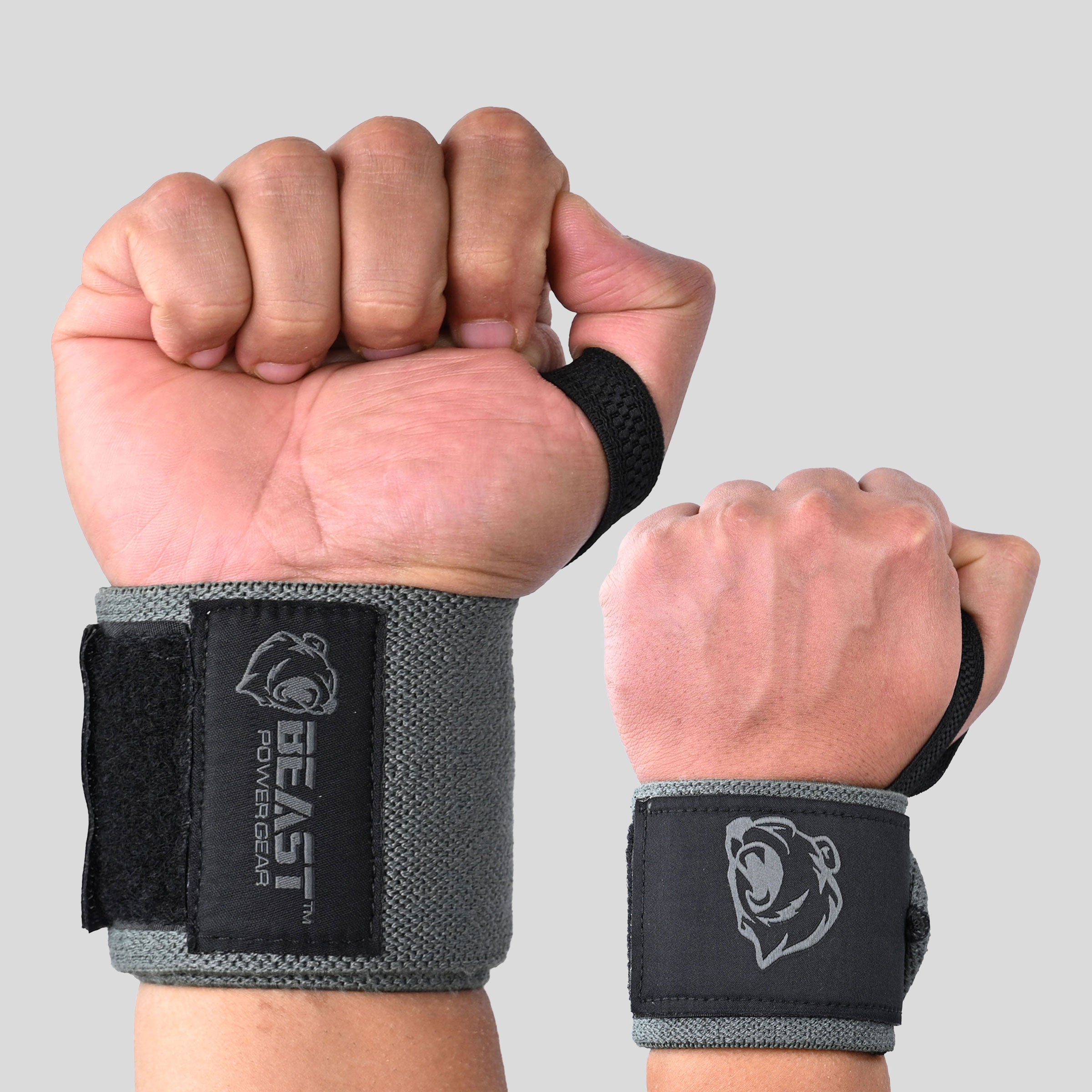



How to Use Wrist Wraps for Weightlifting: A Step-by-Step Guide
Wrist wraps are a popular gym accessory designed to provide additional wrist support during strength training. They are particularly useful for exercises such as bench presses, overhead presses, and other heavy lifts that place stress on the wrists.
Learning how to use wrist wraps for weightlifting can help you maintain a more comfortable wrist position and focus on proper lifting technique. However, wrist wraps should complement good training habits rather than replace proper form or appropriate weight selection.
In this guide, we will explain how wrist wraps work, when to wear them, and how to wrap your wrists correctly for a more comfortable workout.
Why Use Wrist Wraps in Weightlifting?
Wrist wraps are designed to stabilize the wrist during demanding lifting movements. Here are some potential benefits.
1. Additional Wrist Support
During heavy pressing exercises, your wrists may bend backward under the load. Properly fitted wrist wraps can help limit excessive wrist extension and provide additional support.
2. Better Lifting Technique
Keeping your wrists in a more stable position can make it easier to maintain proper technique during exercises such as bench presses and overhead presses.
3. Improved Comfort During Heavy Lifts
Some lifters find wrist wraps more comfortable when handling heavier weights. They can provide a secure feeling during demanding sets, although they do not guarantee injury prevention.
4. Greater Confidence in Training
When wrist wraps fit correctly, they may help experienced lifters feel more comfortable during heavy pressing movements.
Step-by-Step Guide: How to Use Wrist Wraps for Weightlifting
Follow these steps to wear your wrist wraps correctly.
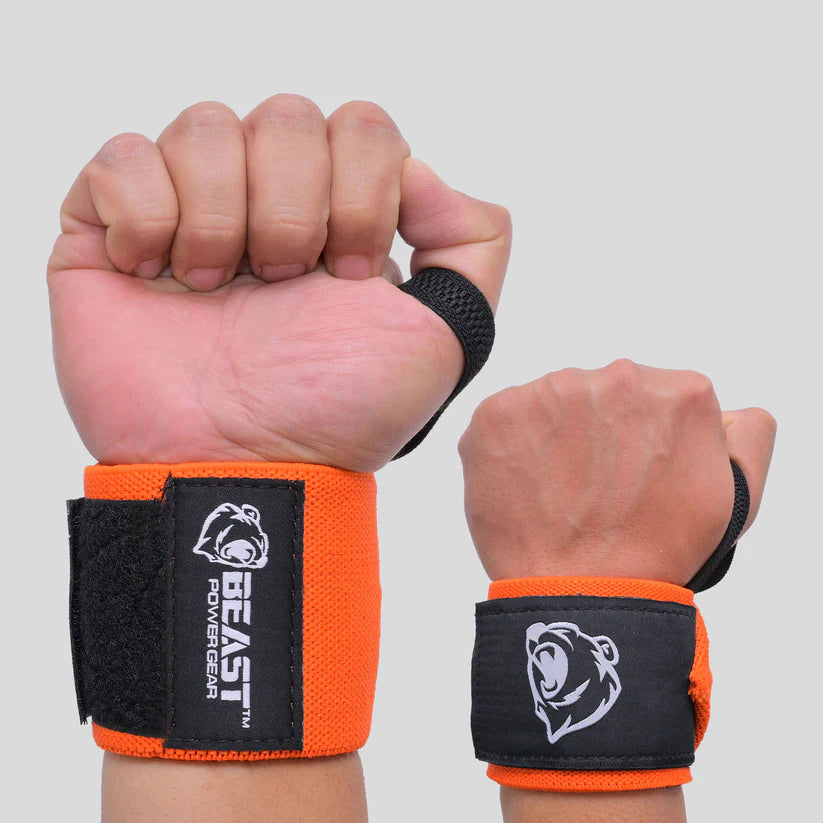
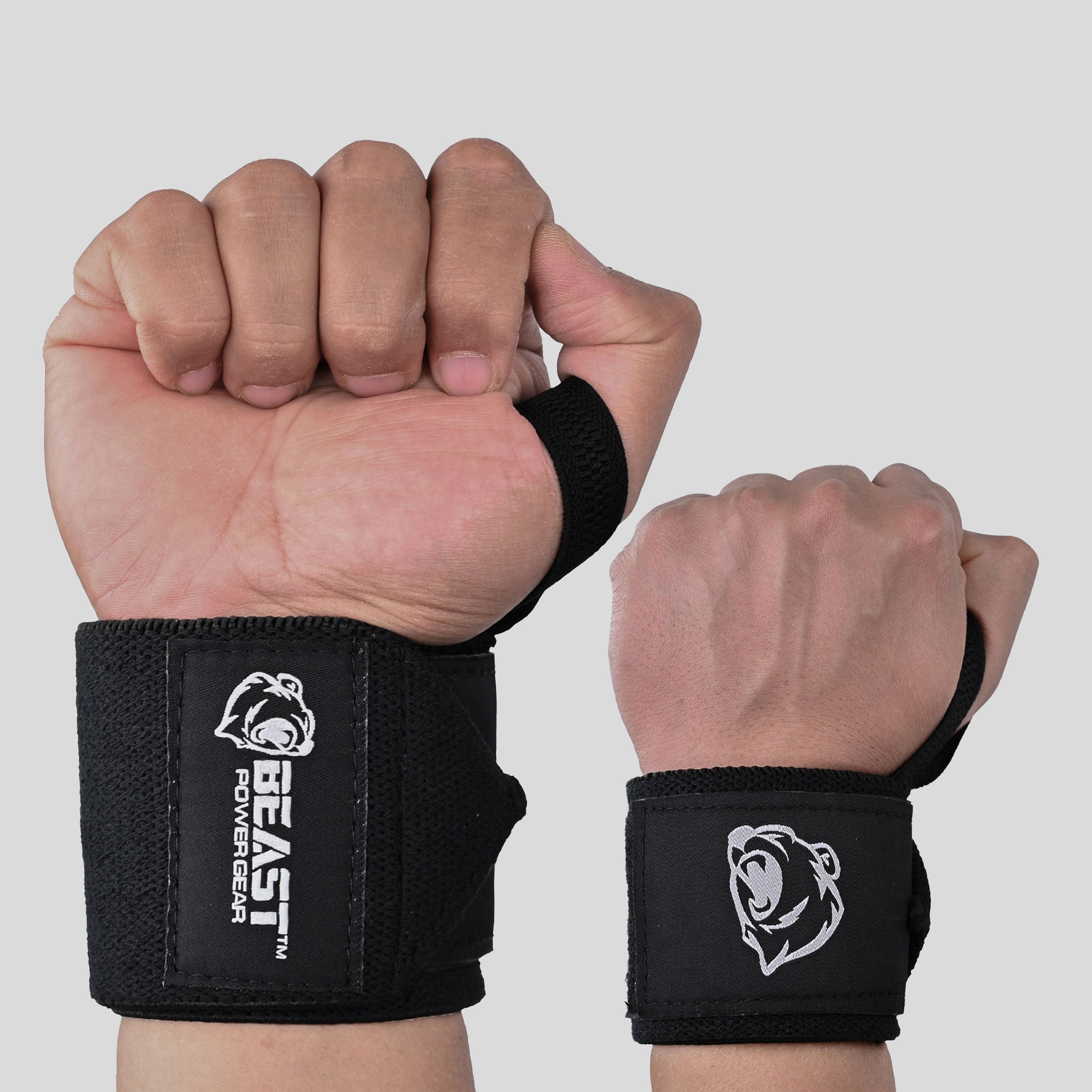
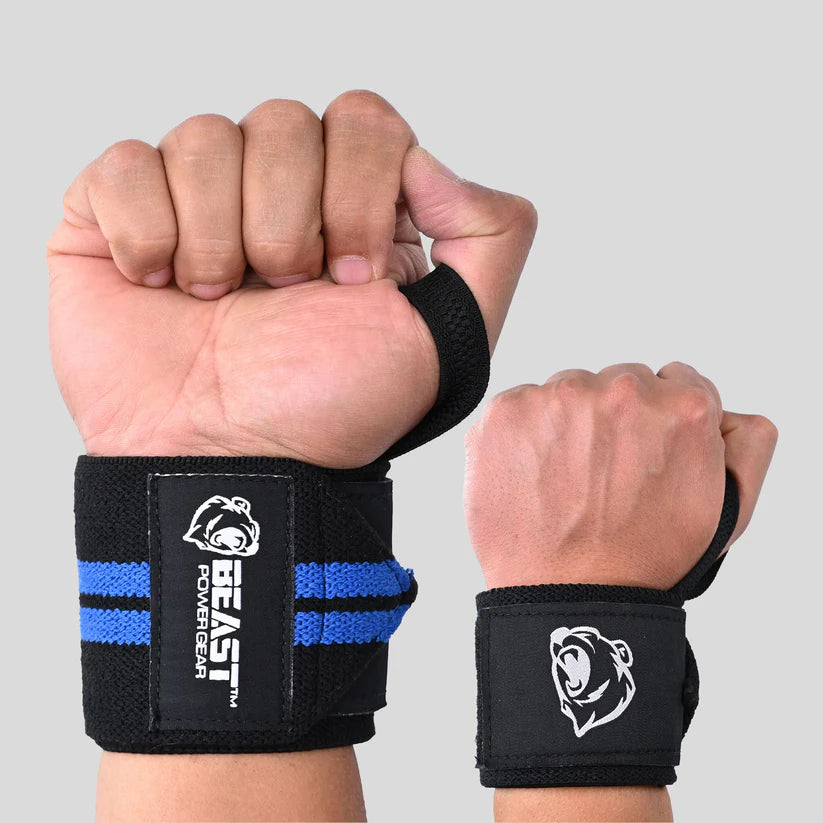
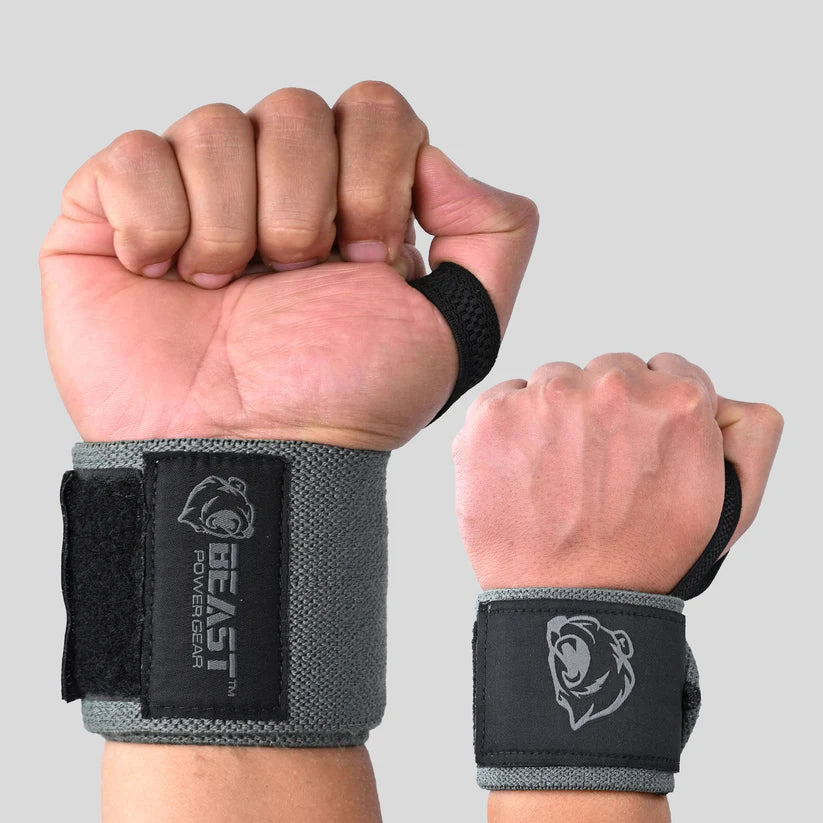
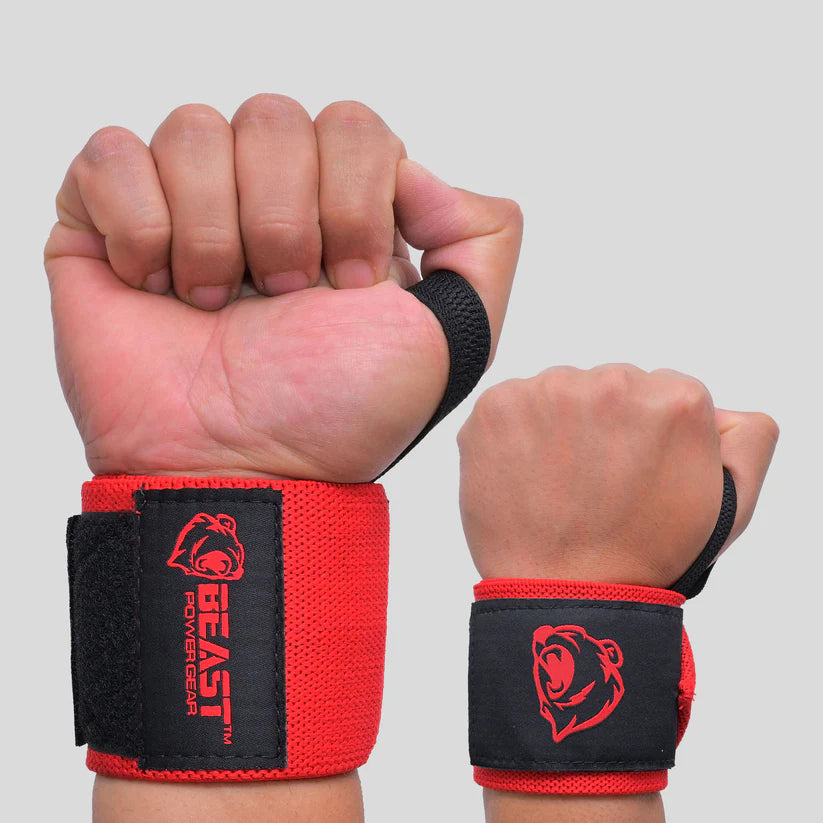
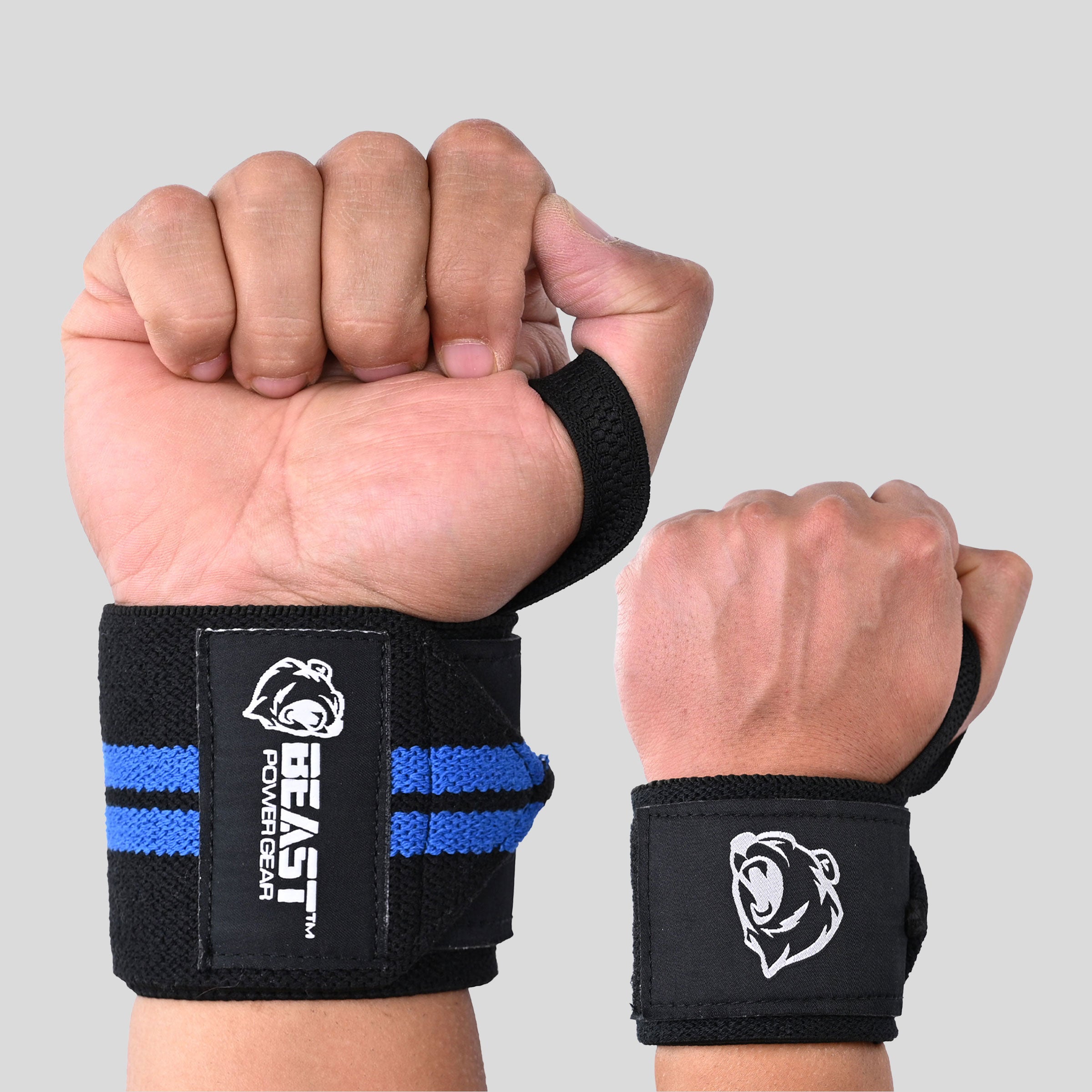
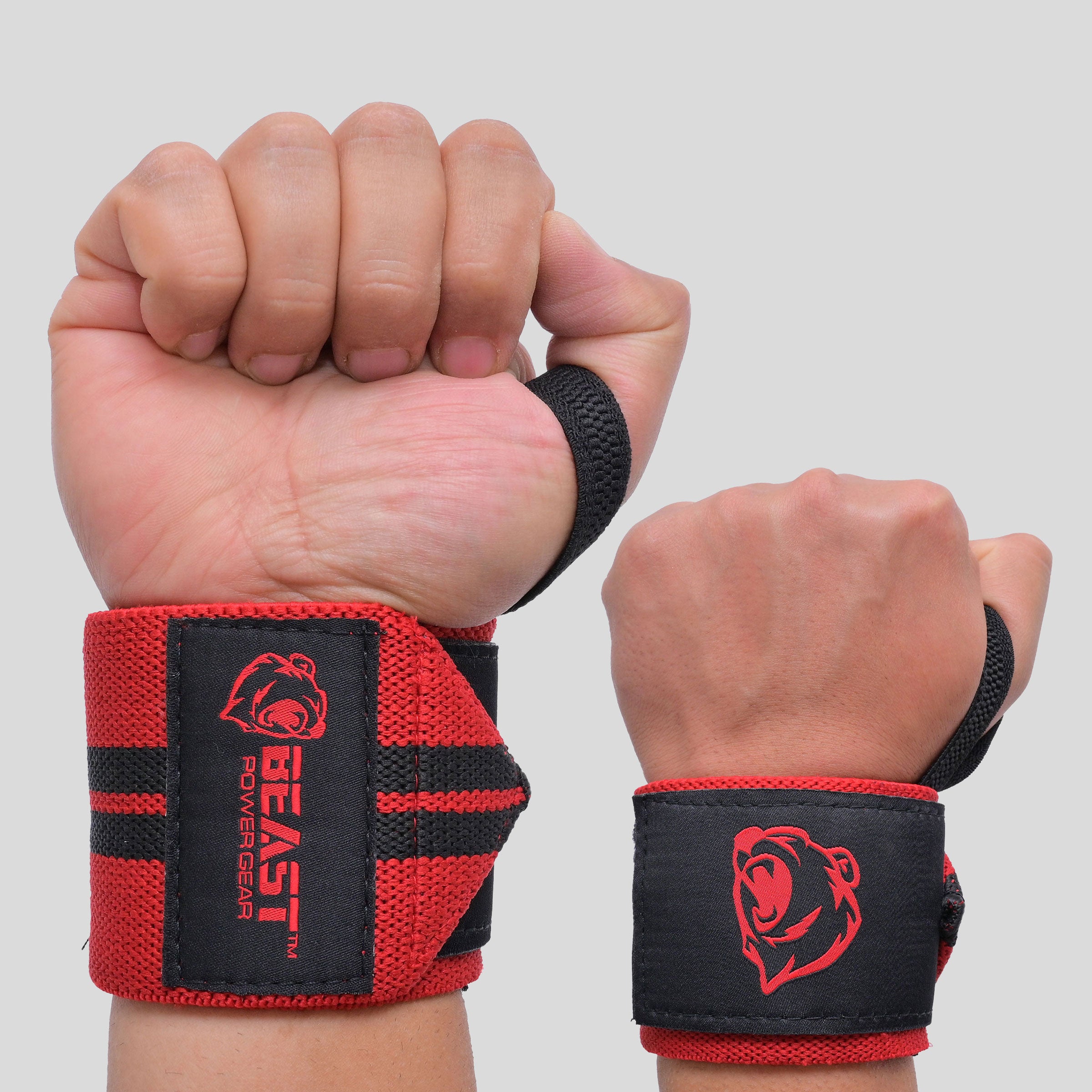
Step 1: Find the Thumb Loop
If your wrist wraps have a thumb loop, place it around your thumb. Keep your hand open and position the wrap so it can be wound around your wrist comfortably.
Some wraps do not have thumb loops, so follow the manufacturer's instructions for those designs.
Step 2: Position the Wrap Around Your Wrist
Place the strap around your wrist joint, covering the area where you need support. Avoid placing it too high on your forearm or too far onto your hand.
Step 3: Wrap Around Your Wrist
Wind the strap around your wrist, overlapping each layer slightly. Most wrist wraps require two or three turns, depending on their length and your wrist size.
Keep the wrap snug enough to provide support without making it excessively tight.
Step 4: Secure the Fastener
Once the wrap is positioned correctly, fasten the Velcro securely. Make sure the strap stays in place when you move your hand.
Step 5: Check the Fit
Make a fist, open your hand, and move your fingers. Your wrist should feel supported, but your fingers should not become numb, cold, or tingly.
If you experience discomfort, tingling, numbness, or changes in circulation, loosen or remove the wraps immediately.
Step 6: Test Them Before Heavy Lifting
Start with a light warm-up set to check the fit and wrist position. Adjust the wraps before gradually increasing the weight if needed.
When Should You Wear Wrist Wraps?
Wrist wraps are most commonly used for exercises that place substantial demands on wrist stability.
Bench Press
Wrist wraps can help support a stable wrist position during the bench press. Keep the bar positioned over your wrist and forearm as much as possible.
Overhead Press
During overhead pressing, wrist wraps may provide additional support as you press the weight above your head. Maintain a controlled movement and avoid excessive backward wrist bending.
Heavy Dumbbell Presses
Some lifters use wrist wraps for challenging dumbbell pressing sets, particularly when wrist stability becomes difficult to maintain.
Powerlifting Training
Powerlifters may use wrist wraps during bench press training and competitions when permitted by the relevant rules.
Wrist wraps are not necessary for every exercise or every set. Use them when they serve a specific purpose in your training.
Tips for Getting the Best Results
Keep these practical tips in mind when using wrist wraps.
-
Choose the correct length: Select wraps that suit your wrist size, training needs, and preferred level of support.
-
Avoid excessive tightness: A secure fit should not restrict circulation or cause discomfort.
-
Maintain proper technique: Wrist wraps cannot correct poor lifting mechanics.
-
Warm up properly: Prepare your wrists and shoulders before attempting heavy sets.
-
Clean your wraps regularly: Follow the manufacturer's care instructions to maintain hygiene and durability.
-
Use them when appropriate: Build good technique and wrist control instead of relying on wraps for every movement.
Common Mistakes to Avoid
Wrapping Too Tightly
Excessive tightness can cause discomfort, tingling, and restricted circulation. Adjust your wraps until they feel secure but comfortable.
Using Wrist Wraps to Ignore Pain
Wrist wraps should not be used to push through unexplained or persistent wrist pain. Stop the aggravating exercise and seek advice from a qualified healthcare professional if symptoms continue.
Depending on Wraps for Every Exercise
Not every movement requires additional wrist support. Choose your equipment according to the exercise and your training goals.
Neglecting Proper Form
Even with wrist wraps, your technique, load selection, and control remain essential for safer strength training.
How to Choose the Right Wrist Wraps
Before buying wrist wraps, consider these factors:
-
Material: Choose durable material that feels comfortable against your skin.
-
Length: Longer wraps offer more wrapping options, while shorter wraps may be quicker to apply.
-
Stiffness: Stiffer wraps generally provide a firmer feel, while more flexible wraps allow greater movement.
-
Fastening system: Secure Velcro helps keep the wraps in place throughout your workout.
-
Training goals: Recreational gym training and competitive powerlifting may require different wrap designs.
Choose equipment that matches your training style rather than selecting a product based on appearance alone.
Frequently Asked Questions
Are wrist wraps good for weightlifting?
Wrist wraps can provide additional support during heavy pressing exercises. They are useful for some lifters, but they are not essential for everyone.
Should wrist wraps be tight?
They should fit snugly without causing pain, numbness, tingling, or changes in circulation. Loosen them immediately if these symptoms occur.
Can beginners use wrist wraps?
Yes, beginners can use wrist wraps when appropriate. However, learning proper technique and developing basic strength should remain priorities.
Do wrist wraps prevent wrist injuries?
Wrist wraps may support wrist positioning, but they cannot guarantee injury prevention. Appropriate loads, good technique, and recovery are also important.
Should I wear wrist wraps for deadlifts?
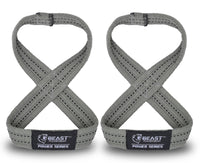
Wrist wraps are not usually necessary for conventional deadlifts because the wrists generally do not experience the same pressing demands as during bench presses. Lifting straps are a different accessory that can help with grip demands.
Conclusion
Learning how to use wrist wraps for weightlifting can help you add support to your training routine, particularly during heavy pressing exercises. Position the wraps correctly, secure them comfortably, and test the fit before lifting heavier weights.
Remember that wrist wraps work best alongside proper technique, suitable training loads, and consistent recovery habits.
Looking to upgrade your gym setup? Explore the lifting accessories available at Beast Power Gear and choose equipment that fits your training needs.
Train smart. Lift with confidence. Build your strength.

