
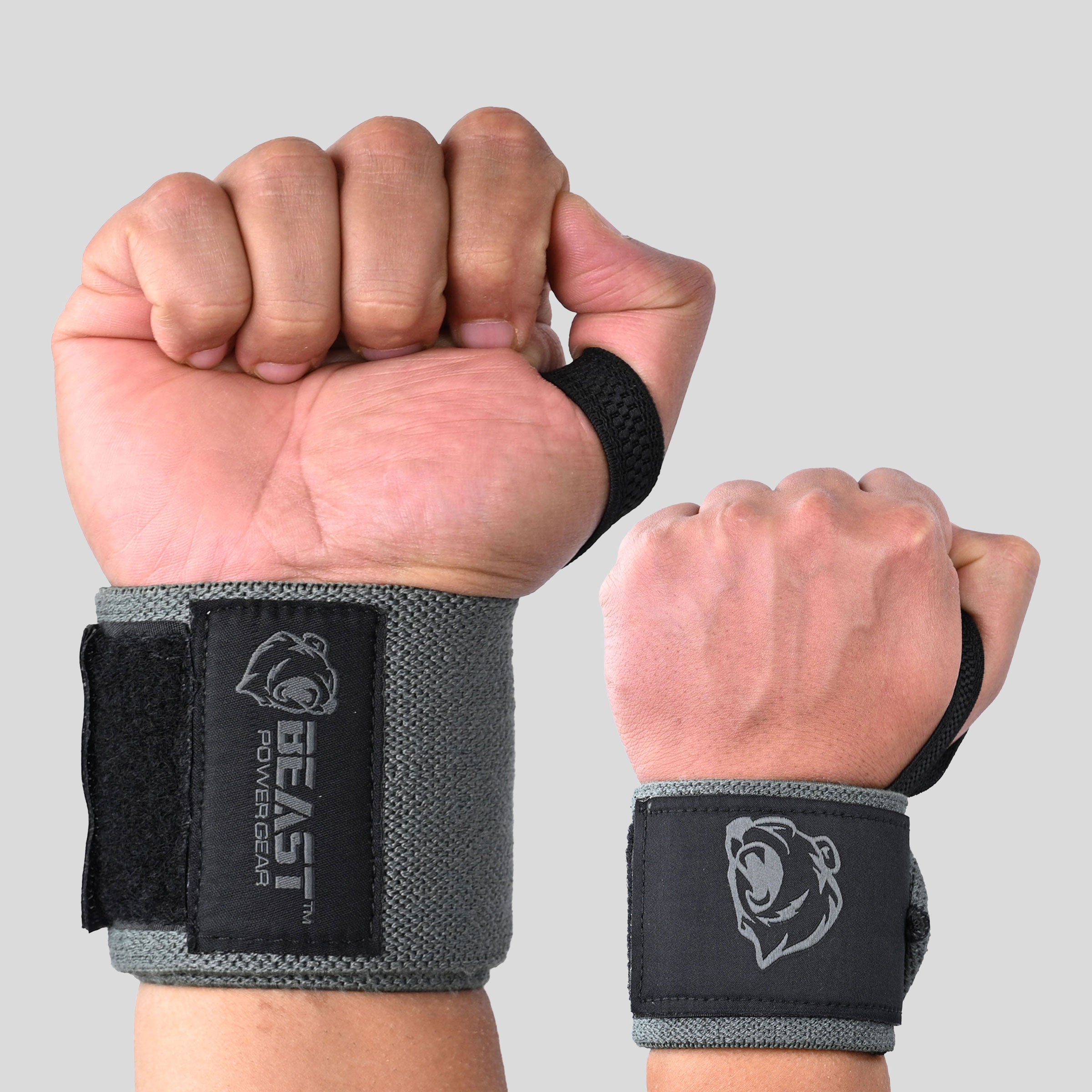



How to Choose Lifting Straps for Your Workout
Choosing the right lifting straps can make your strength-training routine more practical, especially when your grip starts to limit certain exercises. Whether you are learning deadlifts, performing rows, or building a consistent weightlifting routine, understanding how lifting straps work can help you decide whether they belong in your gym bag.
Lifting straps are not essential for every lifter. However, when used appropriately, they can help secure your hands to a barbell or handle during selected pulling exercises. This guide explains the main types of lifting straps, what to consider before buying them, and how to use them responsibly.
What Are Lifting Straps?
Lifting straps are training accessories that wrap around your wrist and a barbell or other suitable handle. They help connect your hand to the equipment, reducing how much grip strength is required to maintain your hold during a repetition.
They are commonly used for exercises such as deadlifts, barbell rows, and some dumbbell pulling movements. Their purpose is to support grip during selected exercises, not to replace proper technique or a well-rounded strength-training program.
1. Understand the Different Types of Lifting Straps
Before buying lifting straps, learn about the common designs available.
Lasso Straps
Lasso straps include a loop that goes around the wrist, with the remaining strap wrapped around the bar. They are adjustable and widely used for general strength training.
They can suit lifters who want a versatile option for several pulling exercises. Check the strap length and material to make sure they are comfortable and practical for your training.
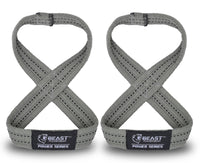
Figure-Eight Straps
Figure-eight straps form two loops that connect the wrist and bar. They are designed to provide a secure connection for certain heavy pulling movements.
Because they can make releasing the bar less straightforward, they are not the best choice for every exercise. Learn their proper use before incorporating them into your routine.
Olympic-Style or Quick-Release Straps
Some straps are designed to make wrapping and releasing the bar easier. Their construction varies, so review the product specifications and intended use before purchasing.
Choose a design based on your exercises, comfort, experience, and ability to release the equipment safely.
2. Choose the Right Material
Lifting straps may be made from cotton, nylon, leather, or other materials.
Cotton: Often chosen for its familiar fabric feel and everyday training use.
Nylon: May offer a smooth, durable construction, depending on the design and quality.
Leather: Some lifters prefer leather straps for their feel and construction, although comfort and maintenance vary by product.
Compare stitching, edges, thickness, and overall build quality. No material is automatically best for everyone, so consider how the straps feel and how they are intended to be used.
3. Check Strap Length and Wrist Comfort
A strap needs to fit your wrist comfortably and provide enough length to wrap around the bar securely. Straps that are too short may be difficult to wrap, while excessive length may feel awkward during setup.
Look for clear sizing information and product photographs. The wrist loop should not cause painful pressure, numbness, or tingling.
If you experience discomfort, stop using the straps and reassess the fit.
4. Consider Your Main Exercises
 Your training routine should guide your choice.
For Deadlifts
Some lifters use straps when grip strength becomes a limiting factor during working sets. Beginners should first learn the deadlift movement and develop a secure grip with manageable loads.
For Barbell Rows
Straps may help maintain a hold on the bar during repeated pulling movements. Keep your back position controlled and use a load that allows you to maintain good technique.
For Dumbbell Exercises
Certain straps may work with compatible handles, but not every design is suitable for every piece of equipment. Check compatibility before using them.
Straps are not a reason to lift more weight than you can control safely.
5. Learn How to Use Lifting Straps Properly
Always follow the instructions provided with your particular product. In general, check that the wrist loop fits correctly and that the strap is securely wrapped around compatible equipment before beginning a repetition.
Start with a manageable load and practise the setup before progressing. Avoid using straps with damaged stitching, torn fabric, or worn-out loops.
Do not use straps for exercises that require you to release the equipment quickly unless the strap design and exercise are specifically suitable. Keep your training area clear and follow the gym's safety rules.
6. Should Beginners Use Lifting Straps?
Beginners can learn to lift without straps while developing grip strength and learning correct movement patterns. Straps may become useful when grip fatigue interferes with a particular exercise, but they do not need to be part of every workout.
A balanced routine can include exercises that train grip naturally, along with appropriate pulling movements. Ask a qualified coach for help if you are unsure whether straps are suitable for your training.
7. Common Mistakes to Avoid
Avoid these mistakes when selecting or using lifting straps:
-
Buying straps without checking their size or intended use.
-
Assuming every strap design works for every exercise.
-
Using straps to compensate for poor technique.
-
Ignoring worn stitching or damaged material.
-
Increasing the weight too quickly because grip feels more secure.
-
Neglecting grip-strength development altogether.
Choosing suitable equipment and using it correctly is more important than buying the most expensive accessory.
8. What to Look for Before Buying Lifting Straps
Before purchasing a pair, review these features:
-
Comfort: The wrist loop should fit without painful pressure.
-
Material: Choose a material that suits your preferences and training frequency.
-
Construction: Look for secure stitching and clearly described materials.
-
Design: Select a strap style suited to your main exercises.
-
Care: Check cleaning and maintenance instructions.
-
Value: Compare the listed features, quality, and price rather than relying on appearance alone.
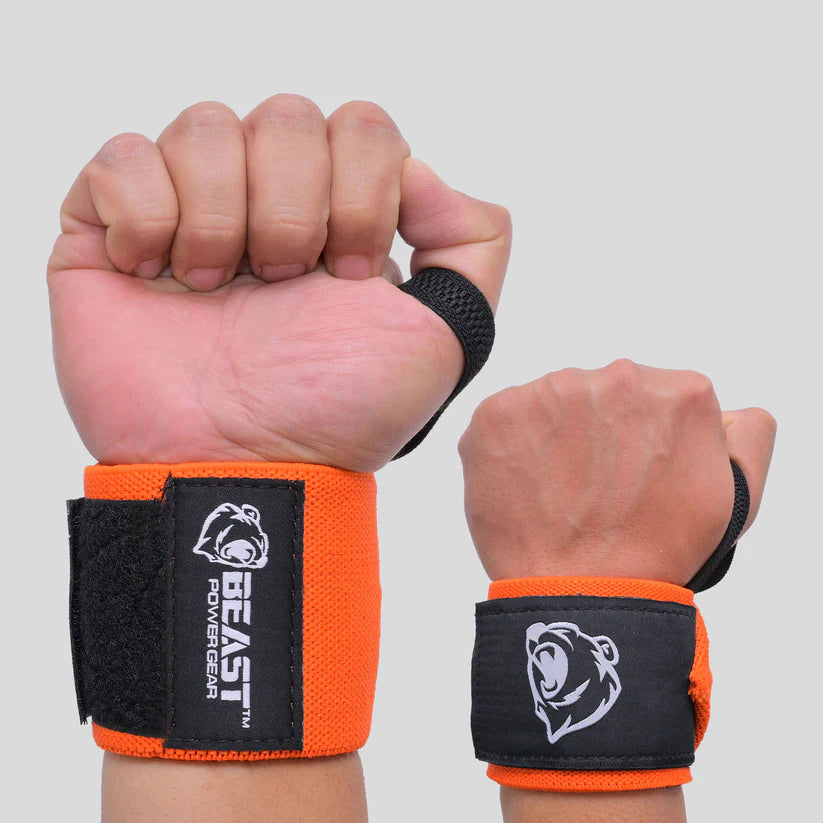
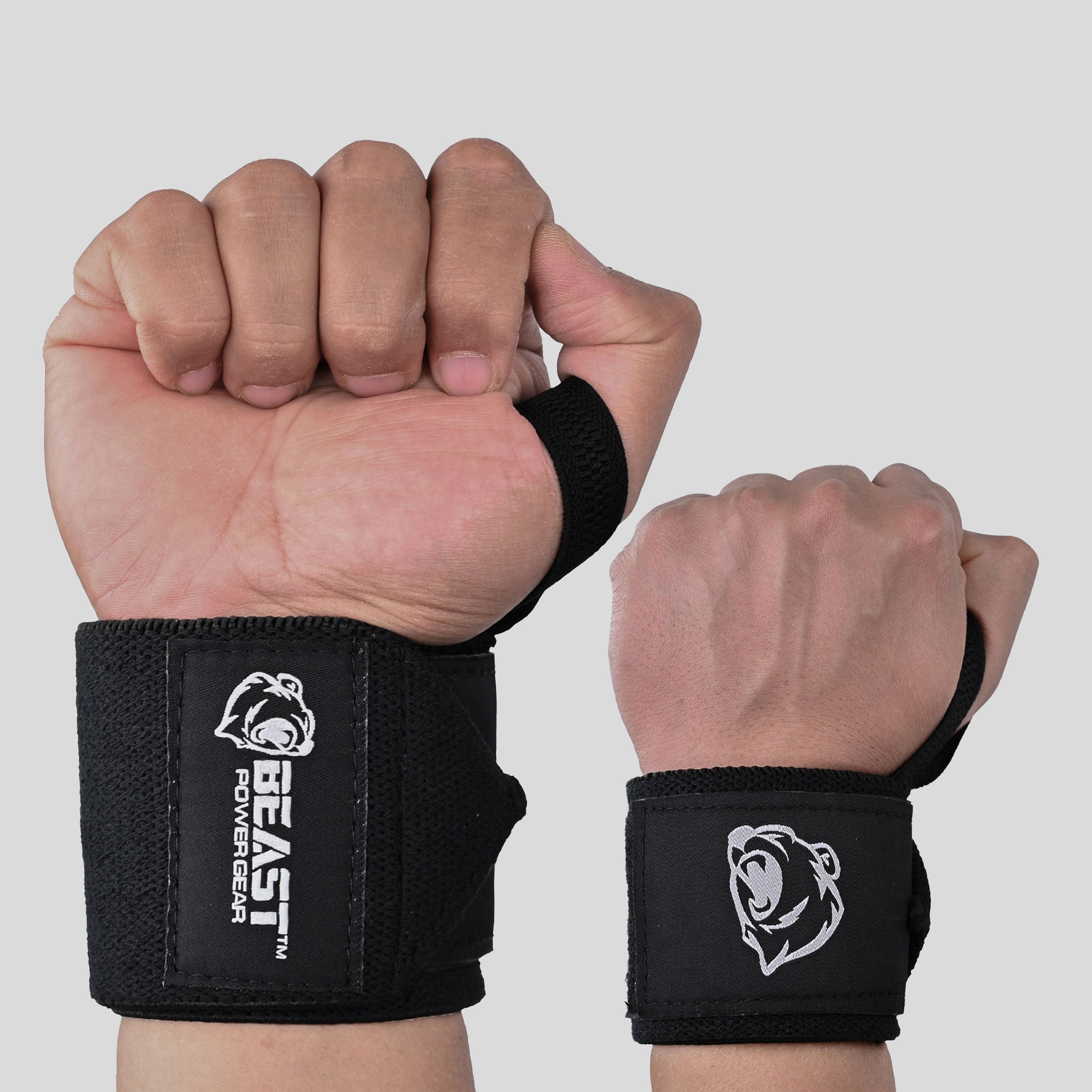
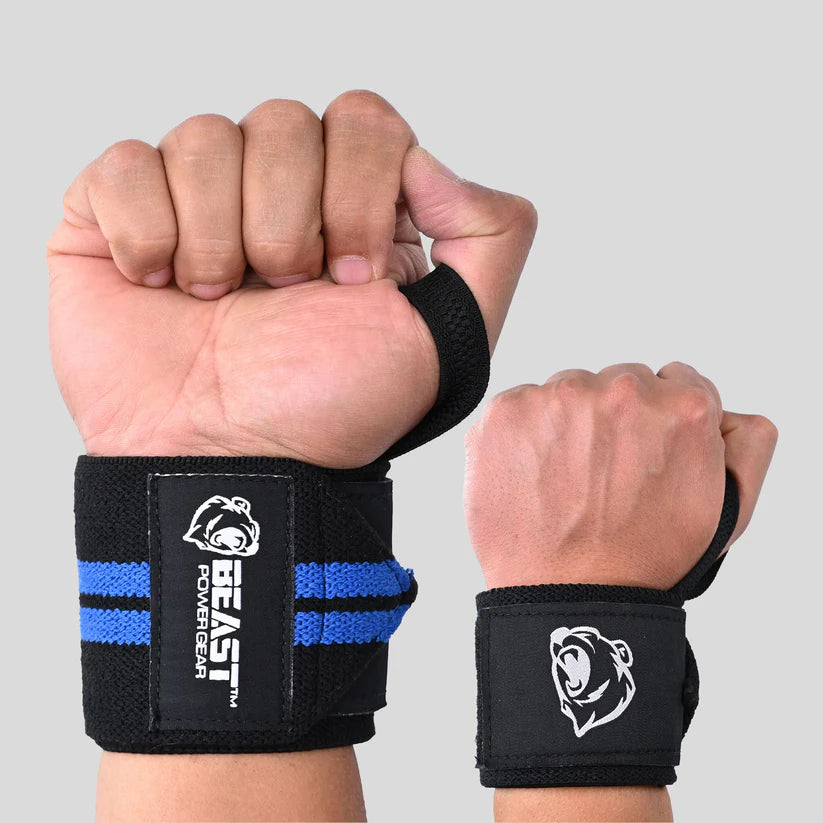
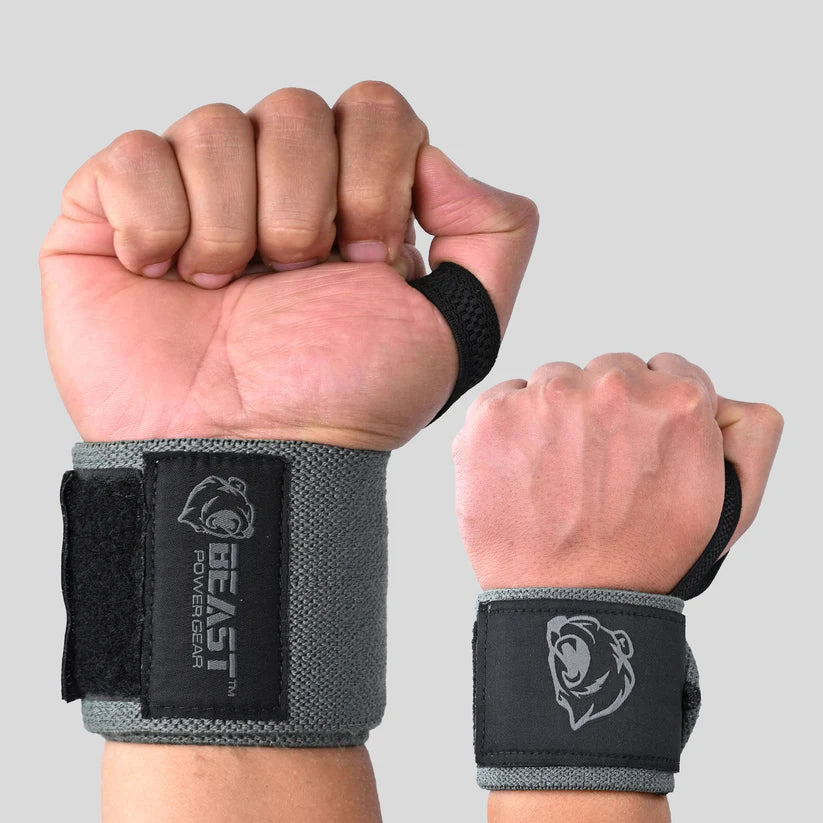
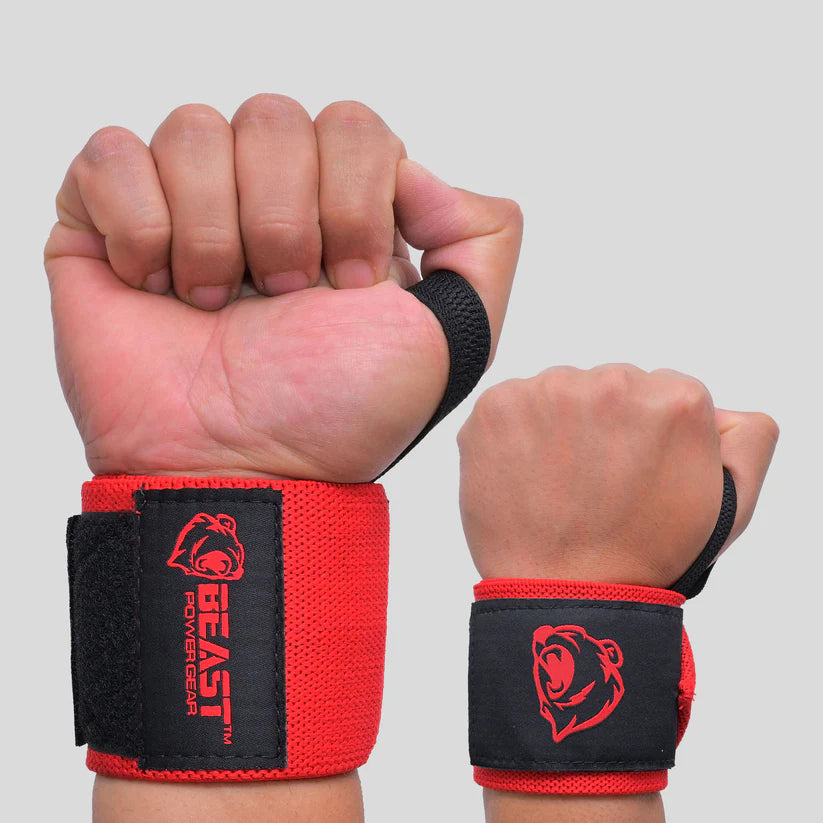
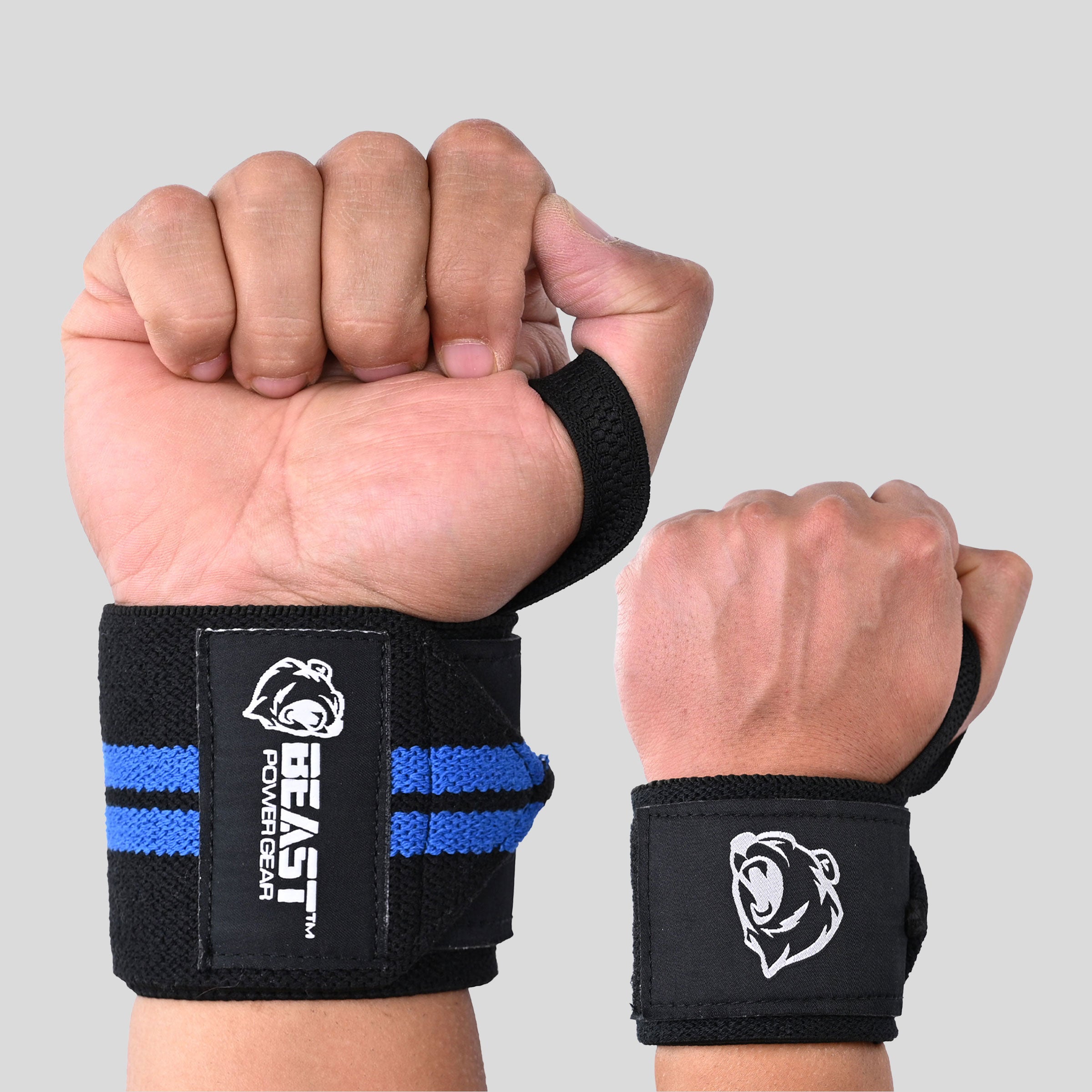
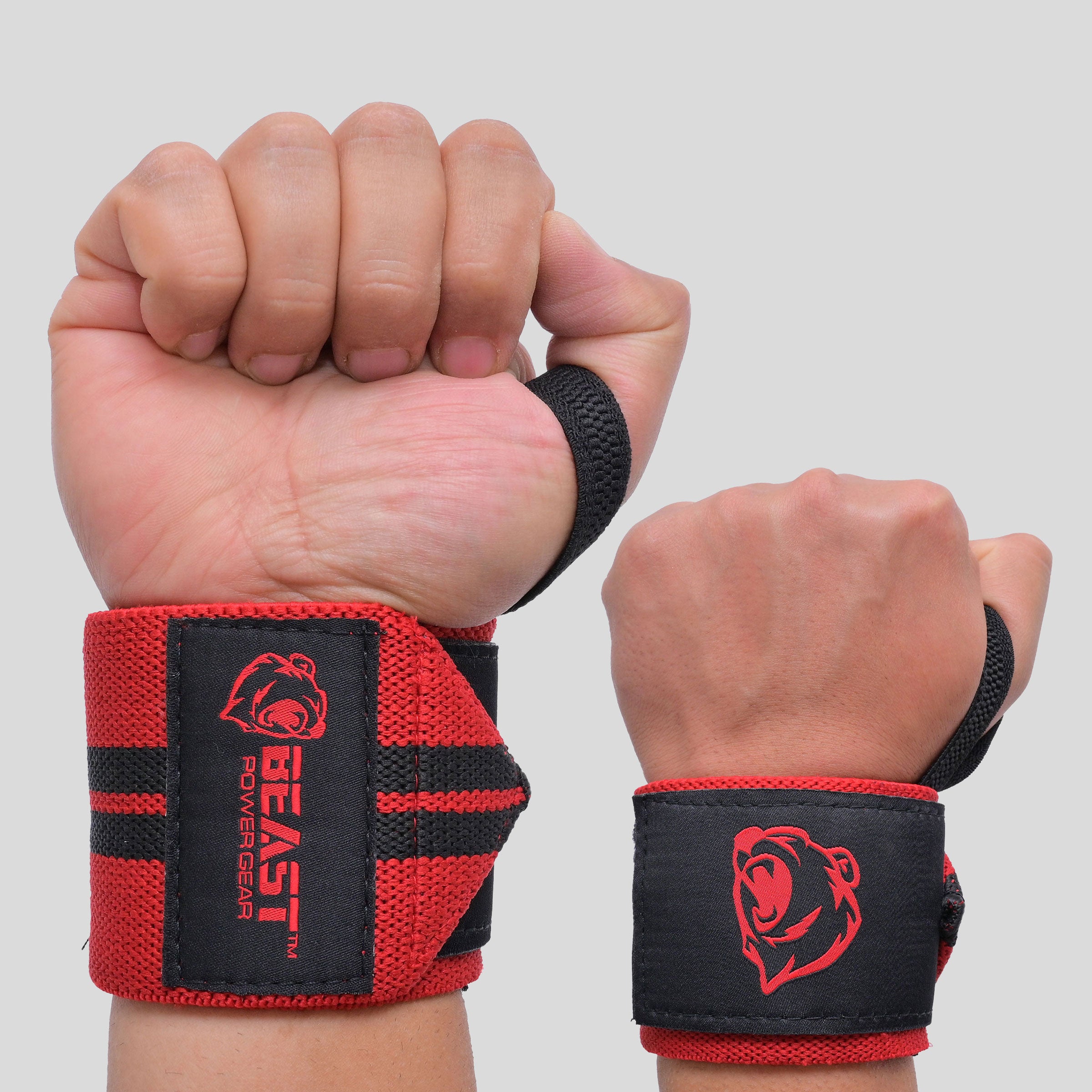
If you are comparing products from Beast Power Gear, review the actual product specifications and choose an option that matches your workout needs.
Frequently Asked Questions
Do lifting straps improve grip strength?
Lifting straps reduce the grip demand during certain exercises, but they do not directly replace grip-strength training. Include appropriate grip exercises in your routine if improving grip is one of your goals.
Are lifting straps good for deadlifts?
They can be useful for some deadlift sets when grip becomes the limiting factor. First learn proper technique and understand the rules of your training environment.
Are lifting straps better than lifting gloves?
They serve different purposes. Straps help secure your hand to a bar or handle, while gloves provide a covering for the hands. Choose based on your actual needs.
How tight should lifting straps be?
They should feel secure without causing pain, numbness, or tingling. Follow the product instructions and stop if the fit causes discomfort.
Can I use lifting straps for every workout?
Not necessarily. They are mainly intended for selected exercises. Use them when appropriate and continue developing your natural grip strength.
Conclusion
The best lifting straps are those that suit your exercises, fit comfortably, and meet your training needs. Consider the strap design, material, length, construction, and safety requirements before buying.
Remember that lifting straps are optional training tools. Good technique, sensible progression, and consistent training remain the foundations of a productive strength-training routine.

