



Weightlifting Accessories for Beginners: What Do You Really Need?
Starting your strength training journey can feel overwhelming, especially when you see so many gym accessories available. From lifting straps to wrist wraps, choosing the right equipment can help you build a practical workout setup without spending money on items you do not need.
The good news is that beginners do not need every accessory at once. The best approach is to understand your training goals, learn proper exercise technique, and choose accessories that offer useful support during your workouts.
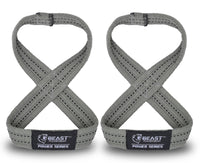
1. Lifting Straps for Grip Support
Lifting straps are designed to help secure your grip around a barbell or dumbbell during certain exercises. They can be useful for pulling movements such as deadlifts and rows when grip strength becomes a limiting factor.
However, beginners should also develop their natural grip strength. Lifting straps are an optional training accessory, not a replacement for proper technique.
Before buying a pair, consider the material, comfort, durability, and ease of use.
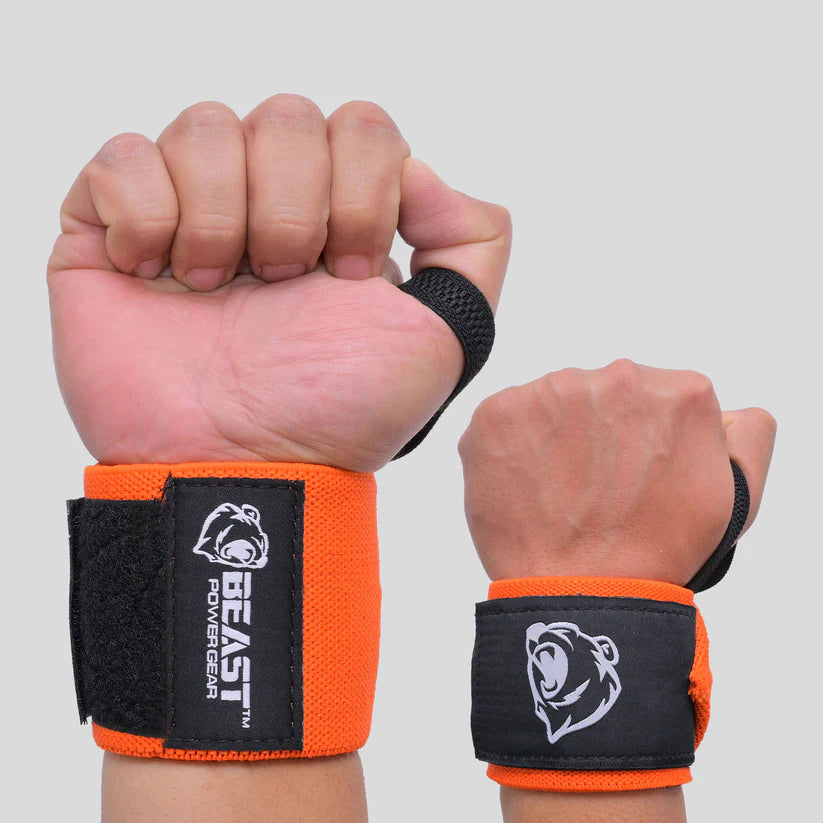
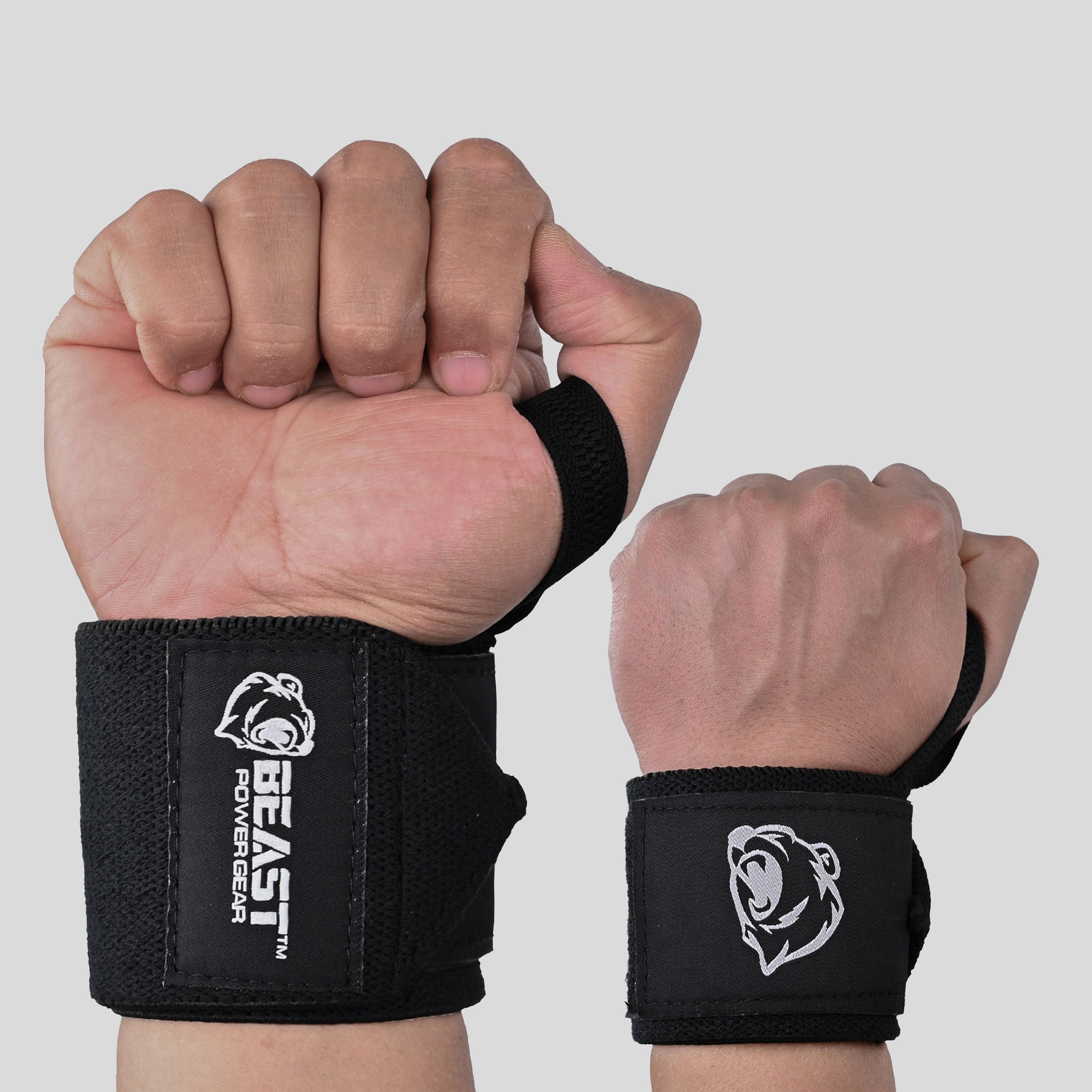
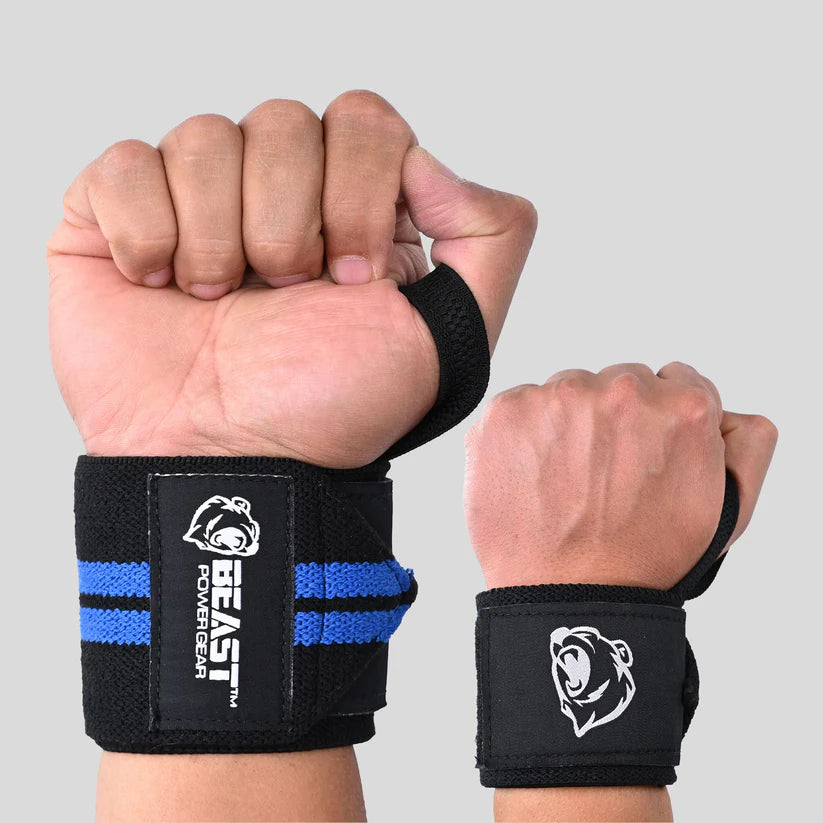
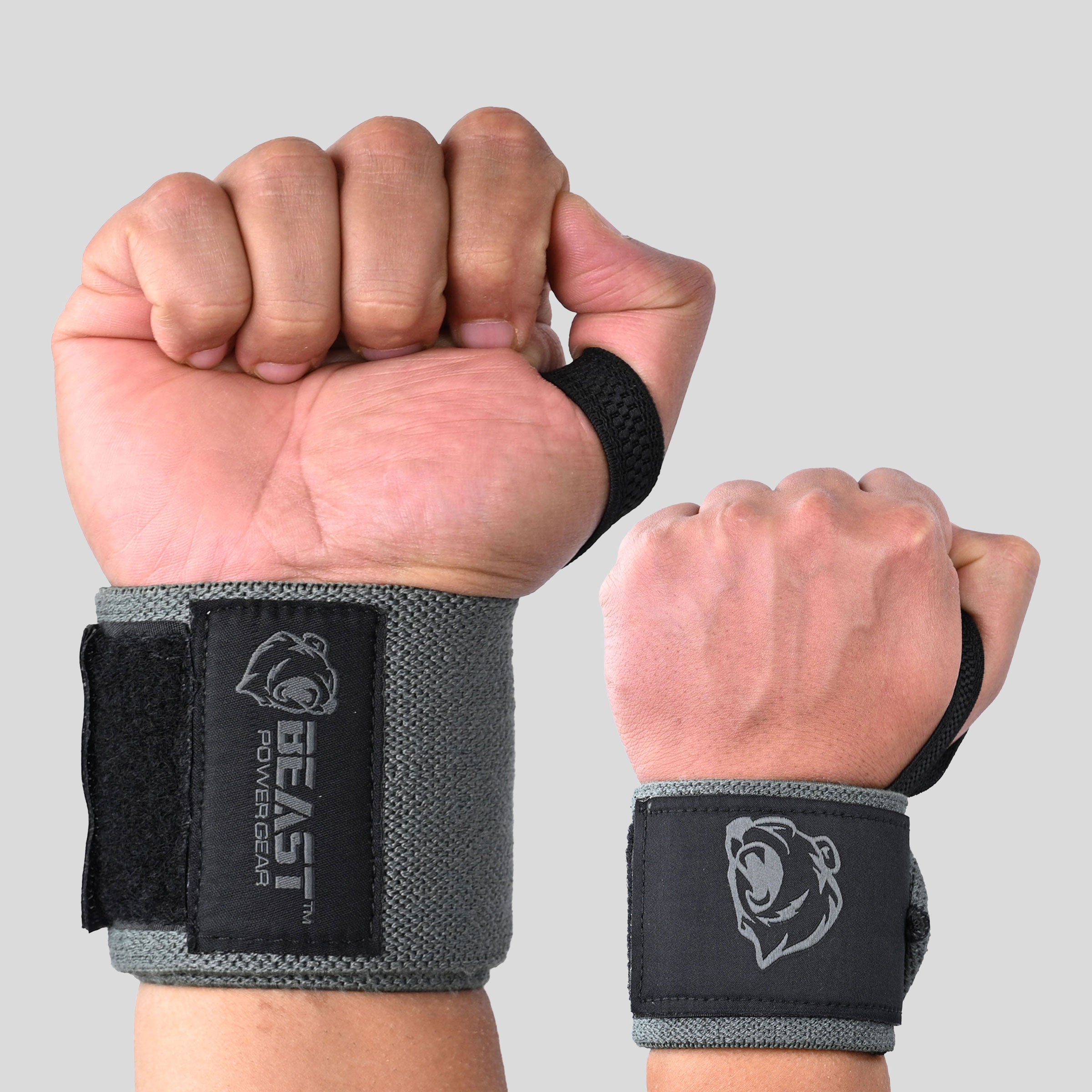
2. Wrist Wraps for Selected Exercises
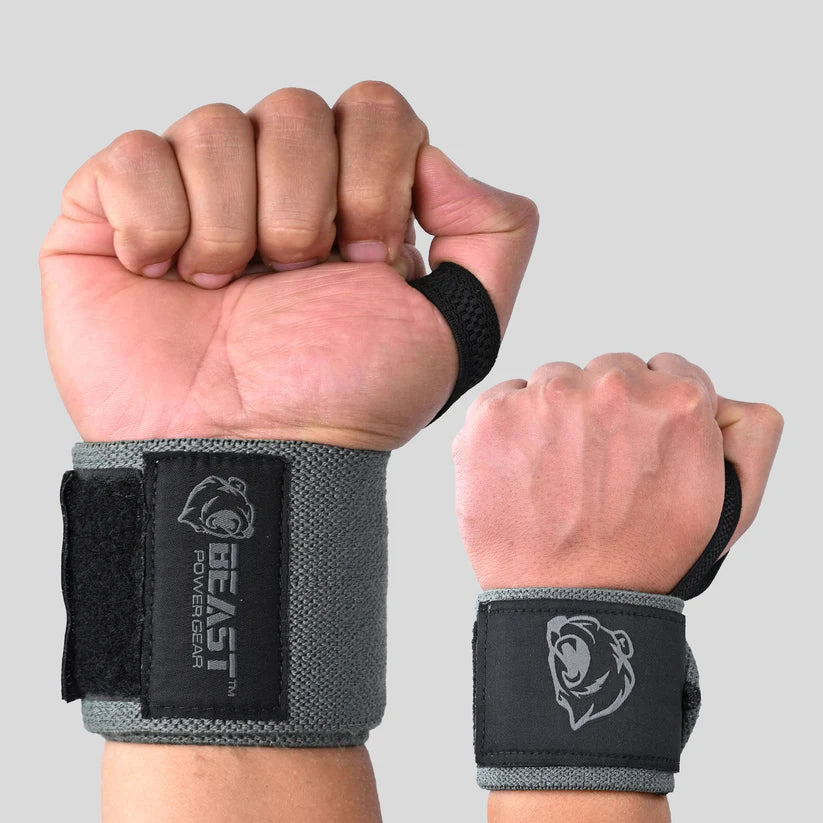
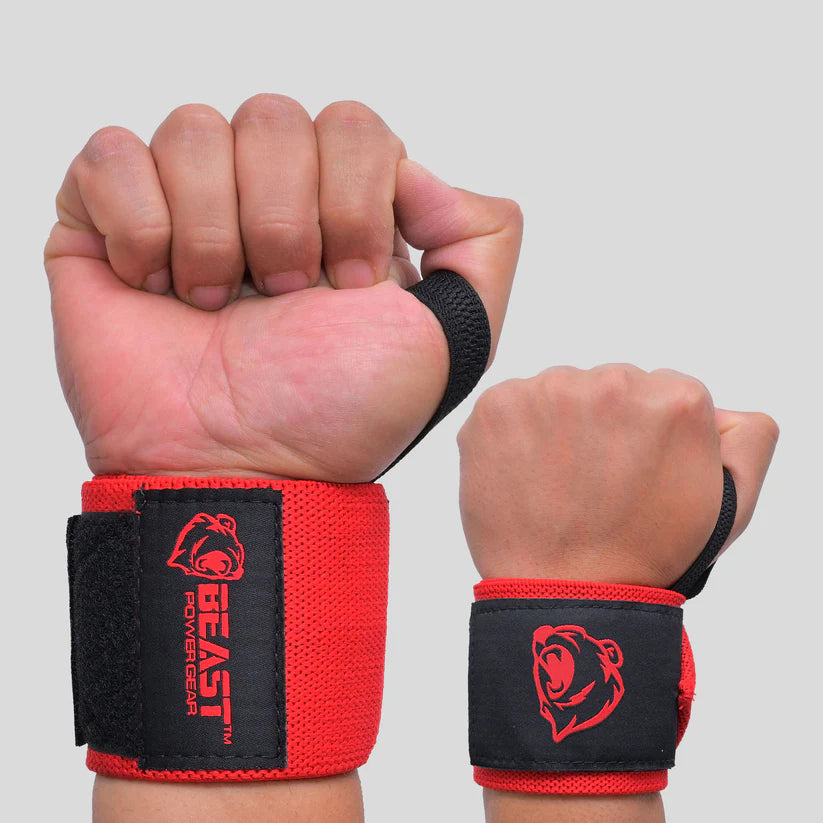
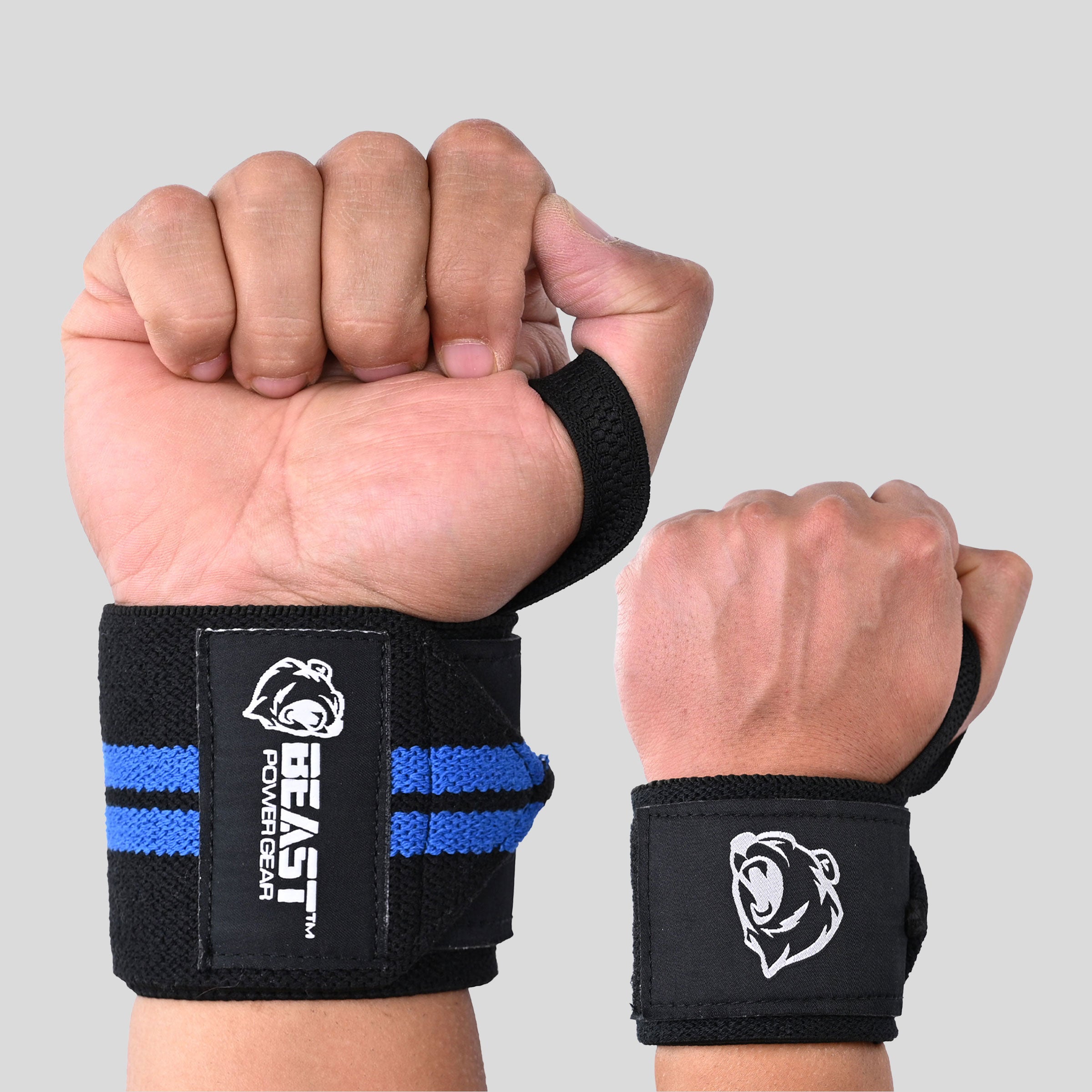
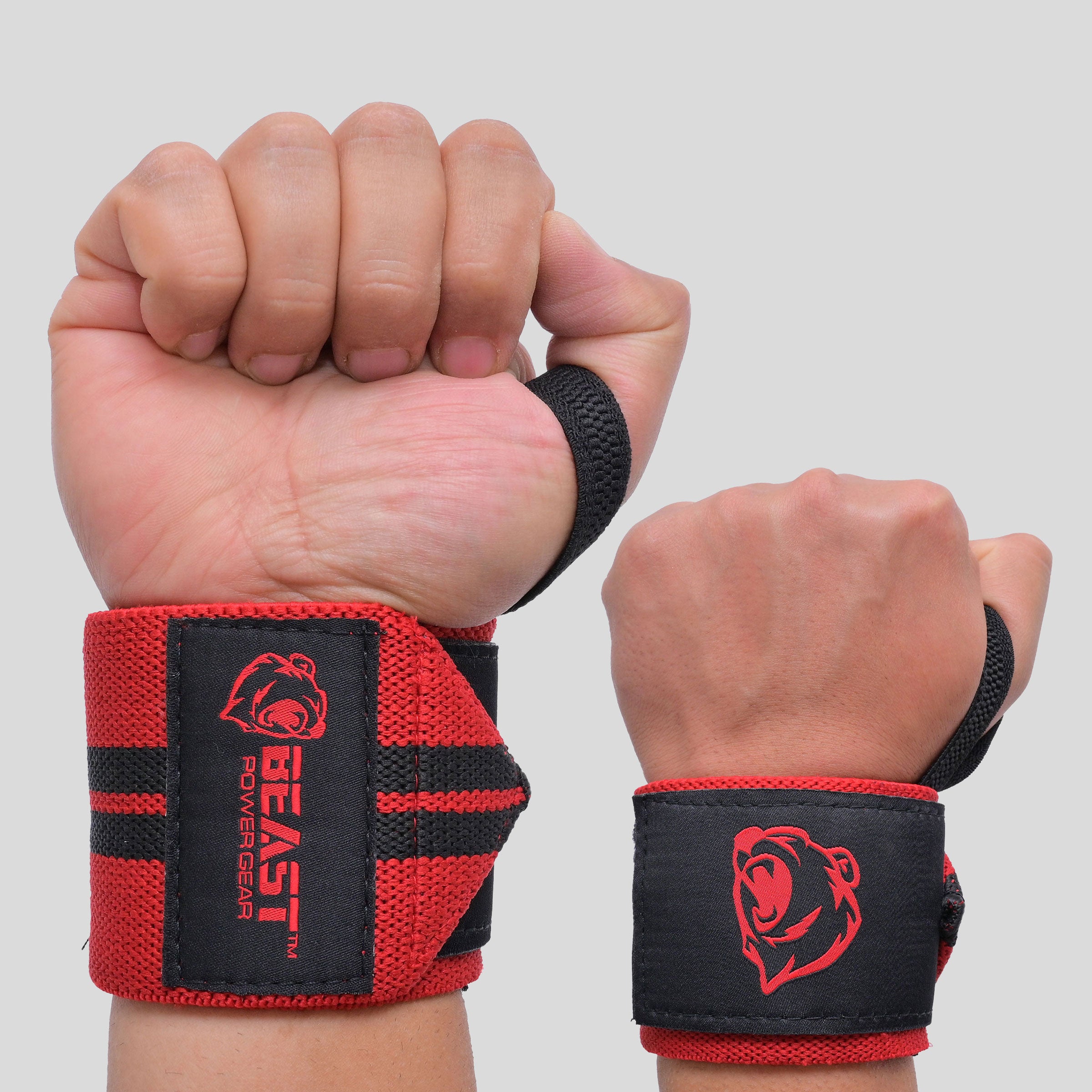
Wrist wraps provide external support around the wrist during exercises such as bench presses and overhead presses. Some lifters find them helpful when handling challenging loads.
Choose wraps that fit comfortably without restricting circulation or causing numbness. They should not be used to ignore wrist pain or compensate for poor lifting technique.
If you experience persistent discomfort, seek advice from a qualified healthcare professional.
3. Weightlifting Belts for Experienced Lifting Needs
A weightlifting belt may be useful for some lifters during heavy compound exercises. It can provide a surface to brace the abdominal muscles against, helping lifters practise trunk bracing.
A belt is not essential for every beginner or every exercise. Learn proper breathing, bracing, and lifting technique before deciding whether a belt suits your training.
4. Lifting Gloves and Hand Protection
Some gym users prefer lifting gloves because they provide a barrier between their hands and the equipment. Others prefer training without gloves to maintain a direct grip on the bar.
When choosing gloves, consider the fit, grip material, ventilation, and ease of cleaning. Avoid gloves that slip or make it harder to hold equipment securely.
Your choice should depend on comfort and the type of training you perform.
5. Resistance Bands for Warm-Ups
Resistance bands are versatile accessories that can be used for warm-up routines, mobility exercises, and selected strength movements.
They come in different resistance levels, making it easier to adapt exercises to your current ability. Inspect bands regularly for cracks, tears, or signs of wear before using them.
Resistance bands can complement a weightlifting routine, but they do not replace learning correct movement patterns.
6. How to Choose the Right Weightlifting Accessories
Before purchasing gym equipment, ask yourself a few practical questions:
-
What type of exercises do I perform most often?
-
Does the accessory solve a genuine training problem?
-
Is the size and fit appropriate for me?
-
Is the material suitable for regular use?
-
Can I maintain and clean the product easily?
-
Does it fit my budget?
Start with accessories that address your immediate needs. You can add other equipment as your training becomes more structured.
7. Build Your Gym Setup Gradually
A beginner-friendly gym setup can be simple. Comfortable workout clothing, suitable footwear, a water bottle, and a consistent training plan are good starting points.
Add specialised accessories when you understand their purpose. For example, lifting straps may be useful for specific pulling exercises, while resistance bands can support warm-ups and exercise variations.
Focus on consistency, recovery, nutrition, and sound technique rather than assuming that more equipment automatically produces better results.
8. Shop for Training Accessories That Match Your Goals
When comparing weightlifting accessories, review the product specifications, materials, sizing information, and intended use. Read the available product details carefully before making a purchase.
Beast Power Gear offers training-related products that you can explore when selecting equipment for your routine. Consider options such as lifting accessories and kits where their listed features match your requirements.
Internal link suggestion: Link the words “lifting accessories” to a relevant Beast Power Gear collection, and link “Lifting Kit - Pink” to its product page only where it fits naturally in the article.
Frequently Asked Questions
What weightlifting accessories should beginners buy first?
Start with basic workout essentials and consider specialised accessories only when they meet a specific training need. Lifting straps, wrist wraps, and resistance bands serve different purposes.
Are lifting straps necessary for beginners?
No. Beginners can usually start without lifting straps while developing their grip strength and learning proper technique. Straps may become useful for certain exercises later.
Are wrist wraps and lifting straps the same?
No. Lifting straps help secure the hands to a bar or handle, while wrist wraps provide external support around the wrist. They serve different purposes.
Can I lift weights without gloves?
Yes. Gloves are optional. Choose the approach that provides a comfortable, secure grip and suits your training preferences.
How much should I spend on gym accessories?
Set a budget and prioritise products that solve a genuine need. Compare materials, sizing, product specifications, and quality rather than purchasing accessories simply because they are popular.
Conclusion
Choosing weightlifting accessories does not need to be complicated. Beginners should focus on proper technique, consistent training, and equipment that serves a clear purpose.
Start with the essentials, learn how different accessories work, and expand your setup as your needs change. By choosing thoughtfully, you can create a practical training routine without unnecessary purchases.
