

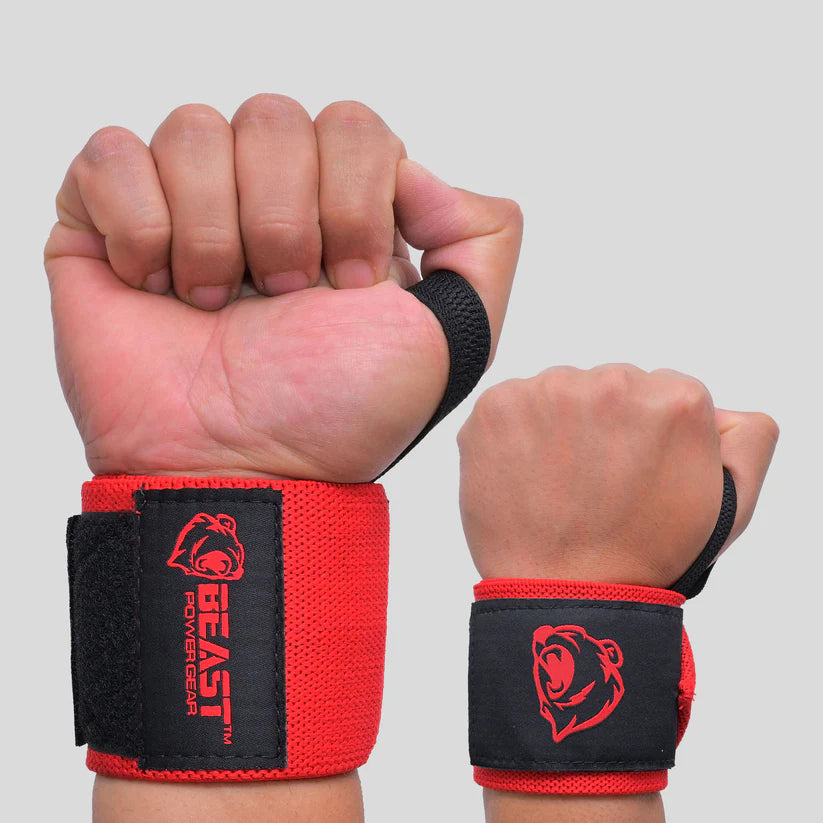
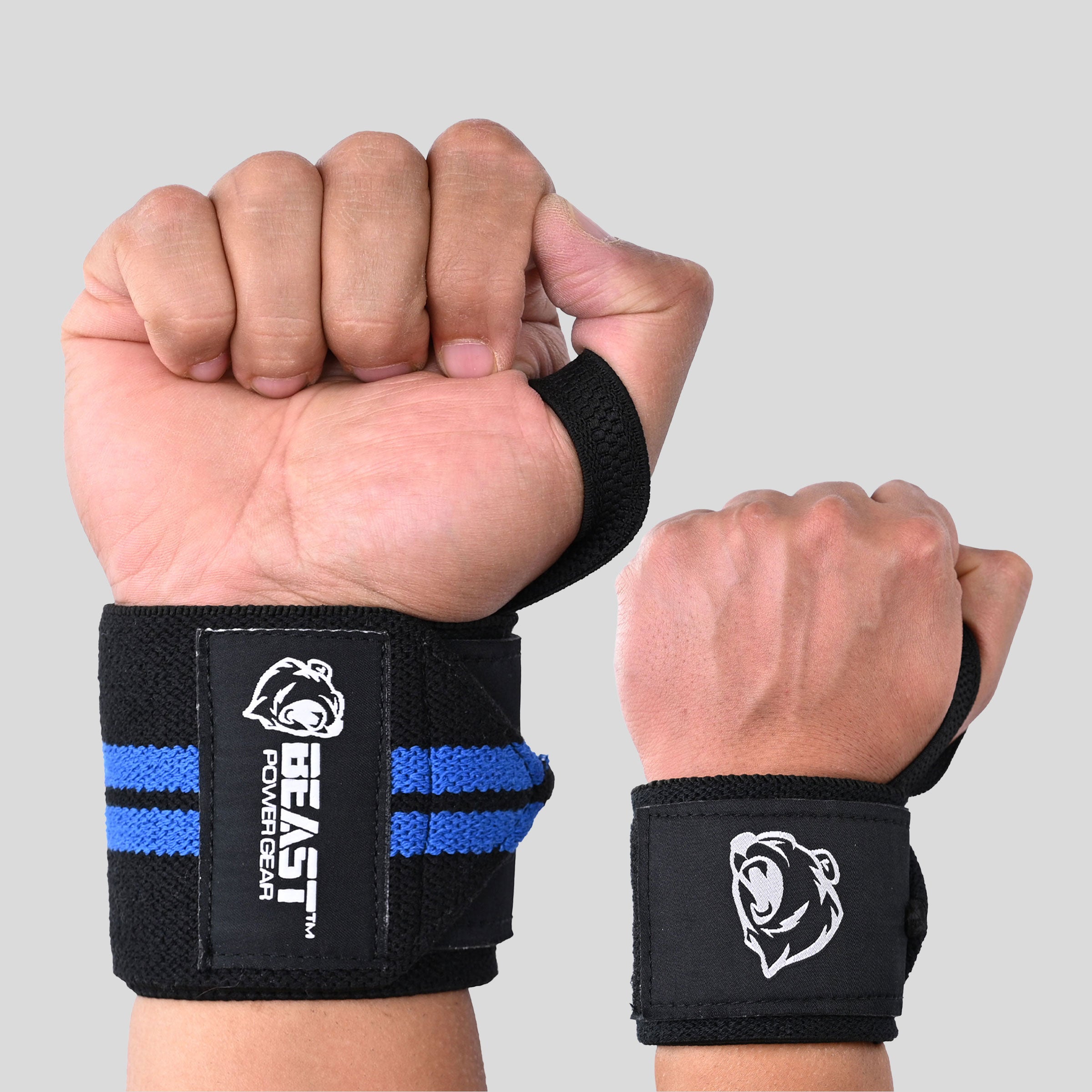
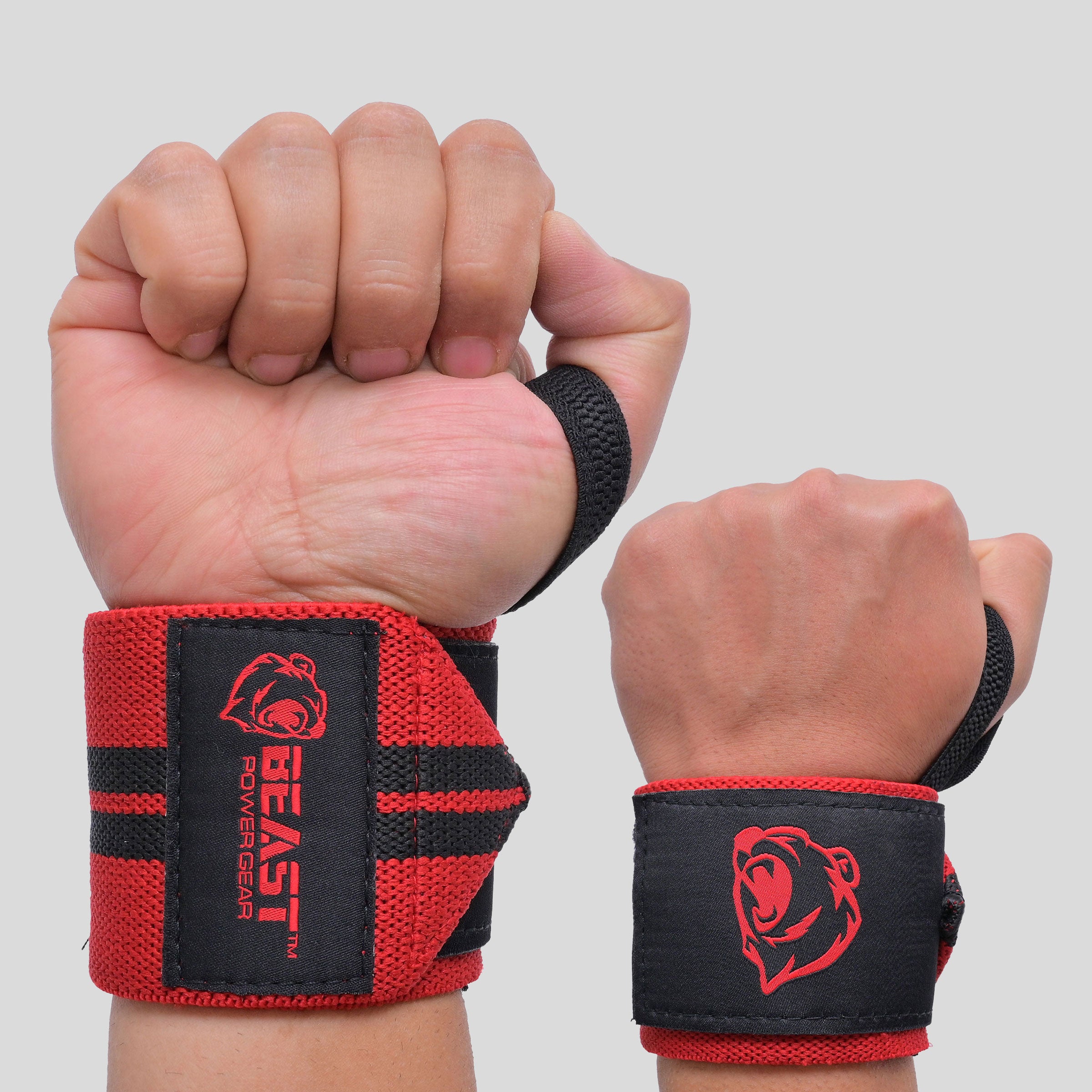
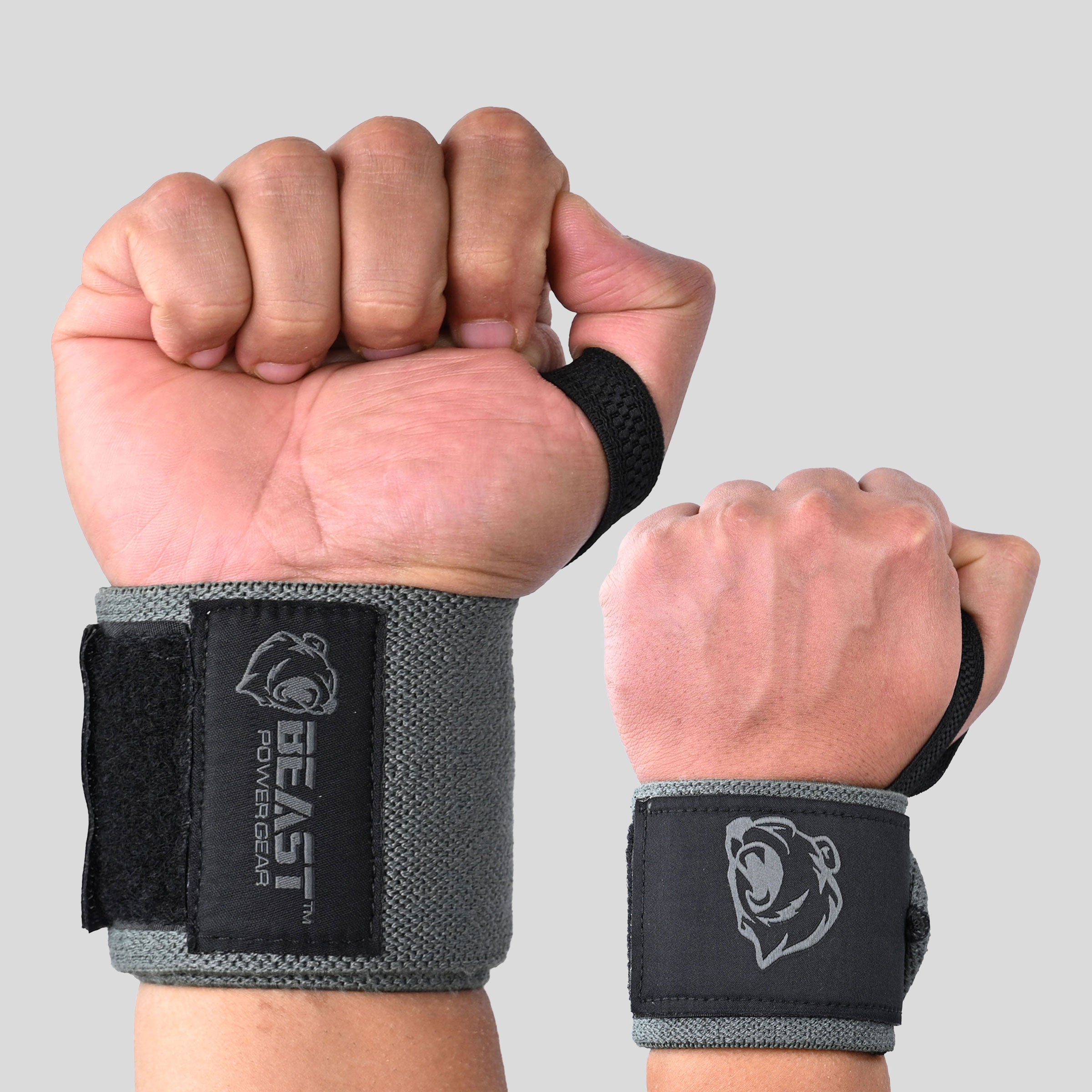



Stiff Wrist Wraps for Powerlifting: Benefits, Uses and Buying Guide
When lifting heavy weights, wrist stability is an important part of maintaining proper exercise technique. Whether you are performing heavy bench presses, overhead presses, or strength-training exercises, your wrists play an important role in controlling the weight.
Many experienced lifters use stiff wrist wraps for powerlifting to provide additional support and compression during demanding workouts.
Unlike ordinary fitness accessories, stiff wrist wraps are designed for athletes who prefer a firmer and more secure feel around their wrists. They are especially popular among powerlifters, bodybuilders, and strength-training enthusiasts.
But what makes stiff wrist wraps different? How should you choose the right pair? And when should you wear them?
This guide explains everything you need to know before adding wrist wraps to your gym equipment.
What Are Stiff Wrist Wraps for Powerlifting?
Stiff wrist wraps are adjustable training accessories designed to wrap around the wrist and provide compression during exercise.
They are commonly used in strength sports where wrist positioning and stability are important.
Compared with softer wrist wraps, stiff versions generally provide a firmer feel and may be preferred by athletes performing heavy pressing movements.
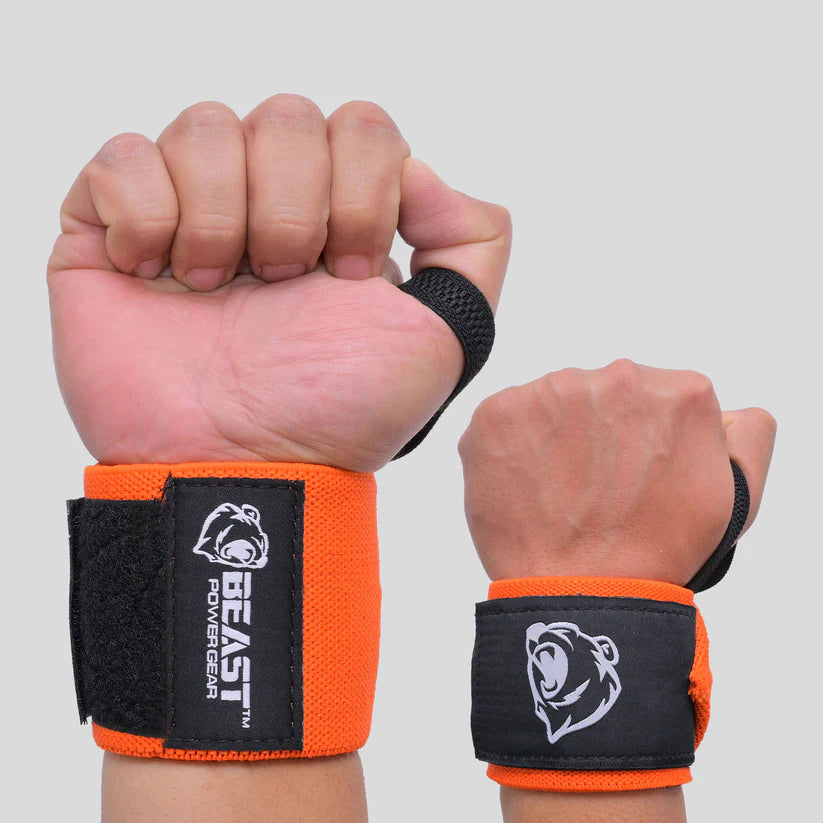
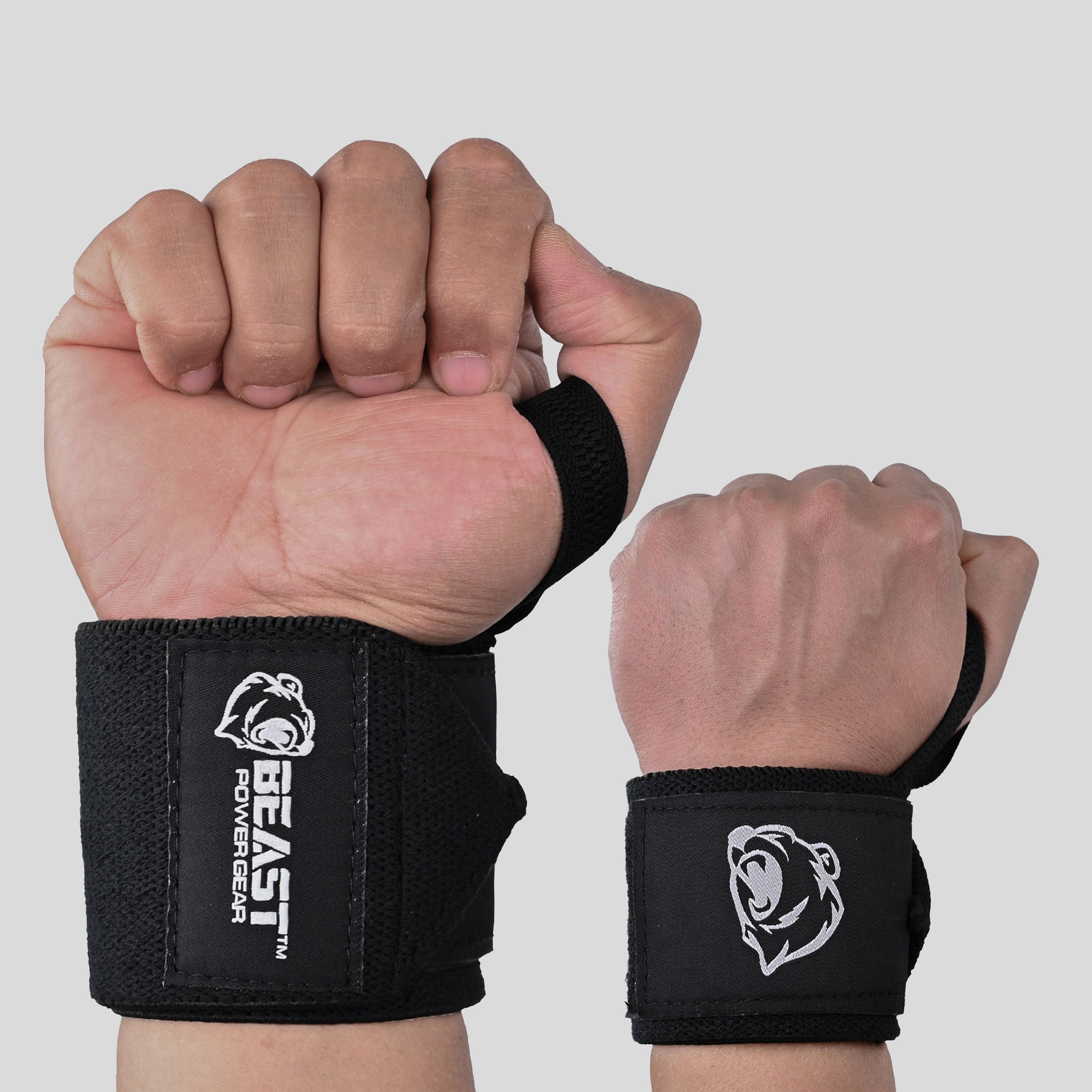
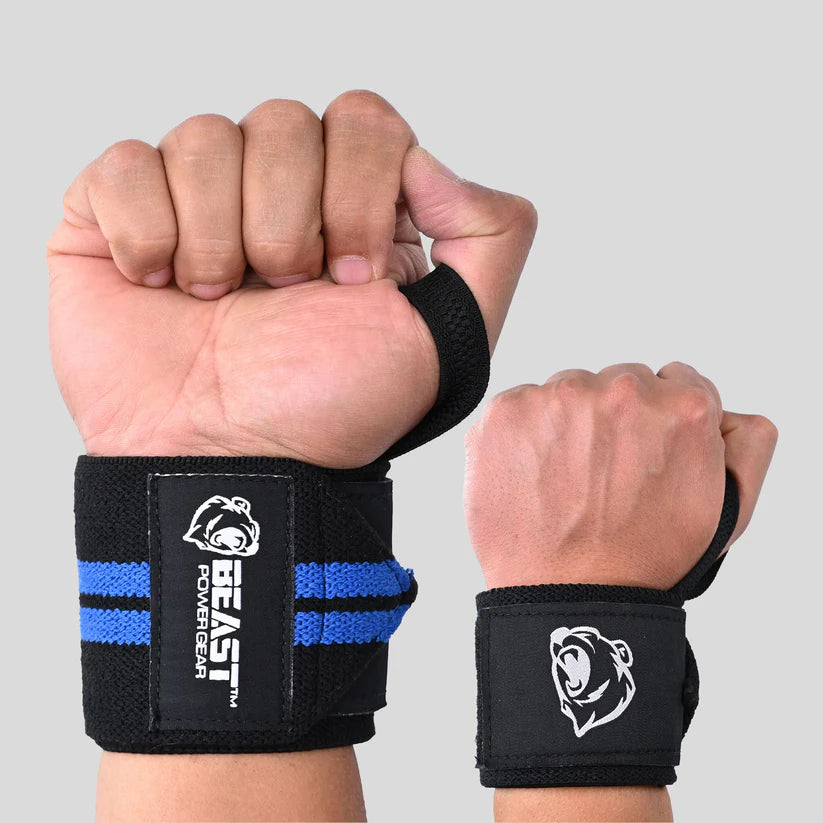
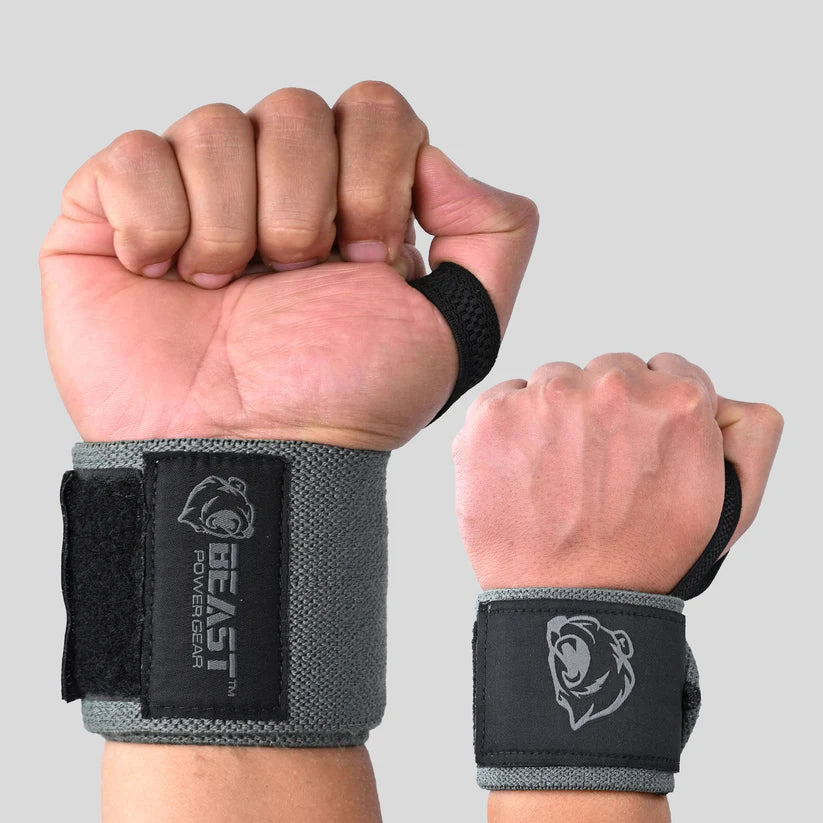
Most designs feature durable fabric, an adjustable fastening system, and a thumb loop to help secure the wrap during use.
Common exercises where lifters use wrist wraps include:
-
Barbell bench press
-
Overhead shoulder press
-
Dumbbell press
-
Powerlifting training
-
Heavy strength workouts
-
CrossFit exercises
5 Benefits of Using Stiff Wrist Wraps
1. Provides Additional Wrist Support
One of the main reasons athletes use stiff wrist wraps is to create a more supported feeling around the wrist.
During heavy pressing movements, some lifters prefer the additional compression provided by a properly secured wrap.
This can make their training setup feel more secure.
2. Helps Maintain Wrist Position
Wrist positioning is an important consideration during exercises such as bench presses and overhead presses.
Wrist wraps can help limit excessive wrist movement by providing a snug fit around the joint.
However, they do not replace proper lifting technique or appropriate weight selection.
3. Suitable for Heavy Bench Press Training
Bench pressing involves supporting and controlling a loaded barbell with both hands.
Some lifters use stiff wrist wraps during heavy bench press sessions because they prefer the additional compression and support.
They can also be used during other pressing exercises, depending on individual preferences.
4. Adjustable Compression
Most wrist wraps include a fastening system that allows users to adjust the tightness.
This makes it easier to customize the fit according to the exercise and personal comfort.
Avoid wrapping them excessively tight, as this may cause discomfort or restrict circulation.
5. Useful for Different Strength Sports
Stiff wrist wraps are not exclusively designed for powerlifting.
They can also be used by athletes participating in:
-
Bodybuilding
-
Weightlifting
-
Strongman training
-
CrossFit
-
General gym workouts
Their versatility makes them a popular addition to many strength-training routines.
Stiff Wrist Wraps vs Regular Wrist Wraps
Choosing between stiff and regular wrist wraps depends on your training preferences.
| Feature | Regular Wrist Wraps | Stiff Wrist Wraps |
|---|---|---|
| Feel | More flexible | Firmer |
| Compression | Adjustable | Adjustable, firmer feel |
| Training preference | General gym workouts | Heavy pressing and powerlifting |
| Flexibility | Usually greater | May feel more restrictive |
| Best suited for | Everyday training | Lifters preferring firmer support |
Neither option is automatically better for every athlete. Your preferred level of support and comfort should guide your decision.
How to Choose the Right Wrist Wraps
Before purchasing wrist wraps, consider these important factors.
Material Quality
Look for durable materials that provide a comfortable fit and suitable flexibility.
Cotton, polyester, and elastic blends are commonly used in weightlifting wrist wraps.
Wrap Length
Wrist wraps are available in different lengths, including 18-inch, 24-inch, and 30-inch options.
Longer wraps allow more material to be wrapped around the wrist, while shorter options may feel less bulky.
Fastening System
A secure fastening system helps keep the wraps in position during exercise.
Look for strong stitching and durable hook-and-loop fastening.
Stiffness Level
Choose the stiffness that matches your lifting style.
Athletes who prefer firm compression may prefer a stiffer design, while beginners may feel more comfortable with a flexible option.
Comfort and Fit
Your wrist wraps should feel secure without causing numbness, tingling, or excessive pressure.
Always adjust them according to your comfort.
How to Wear Wrist Wraps Correctly
Correct application helps you get a comfortable fit during training.
Follow these simple steps:
-
Place your thumb through the thumb loop.
-
Position the wrap around your wrist.
-
Wrap the material around the wrist using the desired tension.
-
Secure the fastening system.
-
Check that the wrap feels snug but not excessively tight.
-
Perform a light warm-up set before attempting heavy lifts.
Remember that wrist wraps should support your training routine, not compensate for poor technique.
When Should You Wear Wrist Wraps?
Wrist wraps are commonly used during exercises involving heavy pressing movements.
Bench Press
Many powerlifters prefer wrist wraps during heavy bench press sessions because they provide adjustable compression around the wrist.
Overhead Press
Overhead pressing requires control while holding weights above the body. Some athletes use wrist wraps to achieve a more secure wrist feel.
Dumbbell Shoulder Press
Wrist wraps can also be used during dumbbell pressing exercises if additional compression is preferred.
Heavy Strength Training
Athletes who regularly perform demanding upper-body workouts may include wrist wraps in their training accessories.
You do not need to wear them for every exercise. Their use should depend on the movement and your training needs.
Common Wrist Wrap Mistakes to Avoid
Even quality wrist wraps can become uncomfortable when used incorrectly.
Avoid these common mistakes:
Wrapping Too Tight: Excessive tightness can cause numbness and discomfort.
Choosing the Wrong Length: Consider your preferred wrapping style before selecting a size.
Depending on Wraps for Every Exercise: Build wrist strength and learn correct lifting technique instead of relying entirely on accessories.
Ignoring Material Quality: Weak stitching and poor fastening can affect durability.
Not Cleaning Your Wraps: Regular care helps maintain hygiene and extends product life.
Why Choose Beast Power Gear Stiff Wrist Wraps?
For athletes who prefer firmer wrist support during heavy lifting, the STIFF WRIST WRAPS (POWER SERIES) from Beast Power Gear are worth considering.
These wrist wraps are designed for powerlifters and strength athletes who want a durable training accessory for demanding workouts.
Product Features
-
Cotton, polyester, and elastic construction
-
Double stitching over 2.5-inch Velcro
-
Available lengths: 18, 24, and 30 inches
-
Multiple color options
-
Designed for wrist stability during strength training
-
Suitable for weightlifting, powerlifting, Strongman, and CrossFit
The Power Series design offers a practical option for athletes who prefer a firmer wrist-wrap style.
Explore the product:
Shop STIFF WRIST WRAPS (POWER SERIES) – Beast Power Gear
Frequently Asked Questions
1. Are stiff wrist wraps good for powerlifting?
Stiff wrist wraps are popular among powerlifters who prefer firmer compression and a more secure feeling during heavy pressing movements.
2. Are stiff wrist wraps better than regular wrist wraps?
They offer a firmer feel, but the best choice depends on individual comfort, lifting style, and support preferences.
3. Should I wear wrist wraps during bench press?
You can wear them during bench press if you prefer additional wrist compression and support.
4. What length wrist wraps should I buy?
Common lengths include 18, 24, and 30 inches. Your choice depends on the wrapping style and level of coverage you prefer.
5. Can beginners use stiff wrist wraps?
Yes, beginners can use them, but learning proper lifting technique and developing strength should remain the priority.
6. Can wrist wraps help with heavy shoulder presses?
Some athletes use wrist wraps during overhead pressing because they prefer additional compression around the wrist.
7. How tight should wrist wraps be?
They should feel secure without causing pain, numbness, tingling, or restricted circulation.
Final Thoughts
Stiff wrist wraps can be a useful training accessory for athletes who regularly perform heavy bench presses, overhead presses, and other strength exercises.
When choosing a pair, consider material quality, stiffness, length, fastening, and comfort.
The right equipment, combined with proper lifting technique and consistent training, can help you build a more organized and comfortable strength-training routine.
Explore Beast Power Gear for wrist wraps and other accessories designed for your gym training needs.
