



How to Use Lifting Hooks for Weightlifting: A Beginner’s Guide
Lifting hooks can be a useful addition to your gym equipment, especially when performing pulling exercises such as deadlifts, rows, and shrugs. They are designed to help support your grip by connecting your hands to the bar or weight equipment.
If your hands become tired during heavy training, learning how lifting hooks work can help you decide whether they are suitable for your workout routine.
What Are Lifting Hooks for Weightlifting?
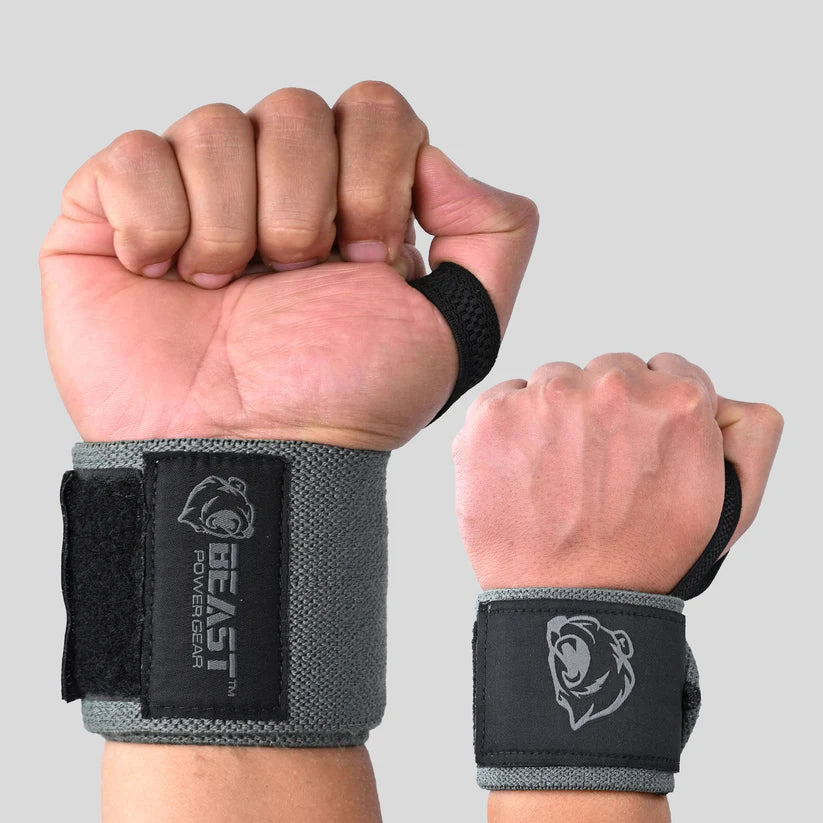
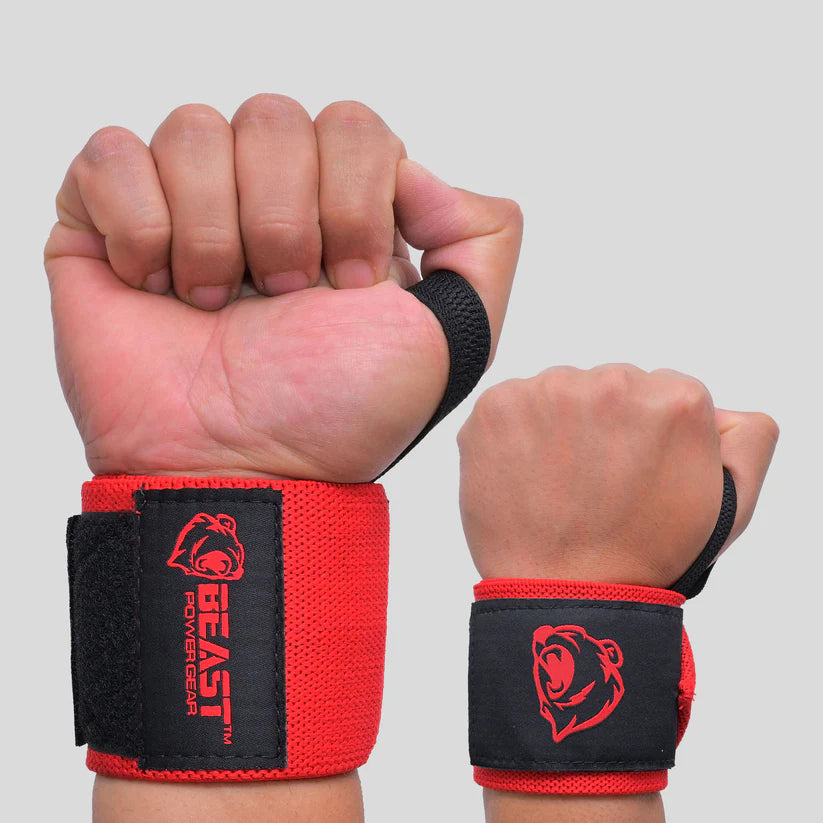
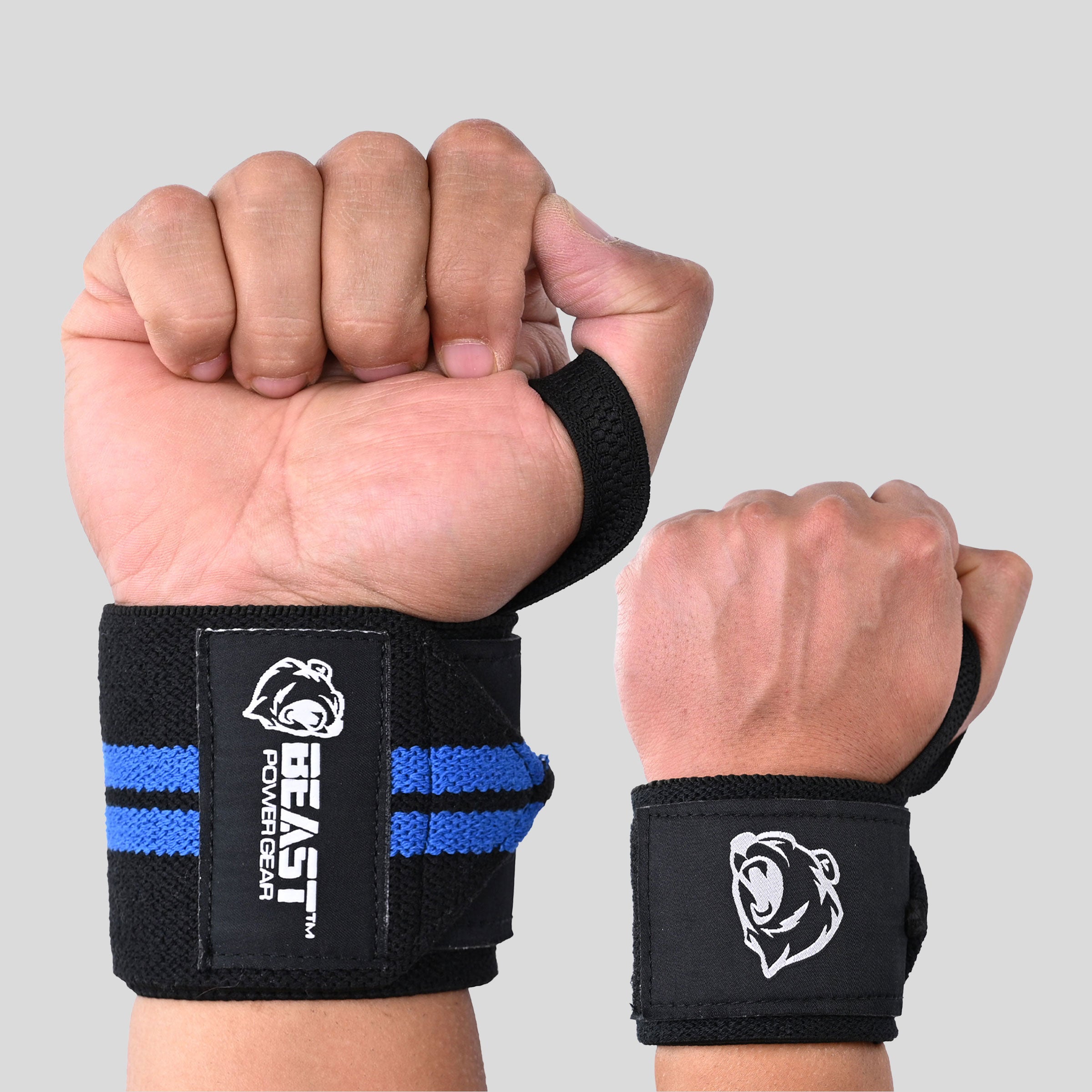
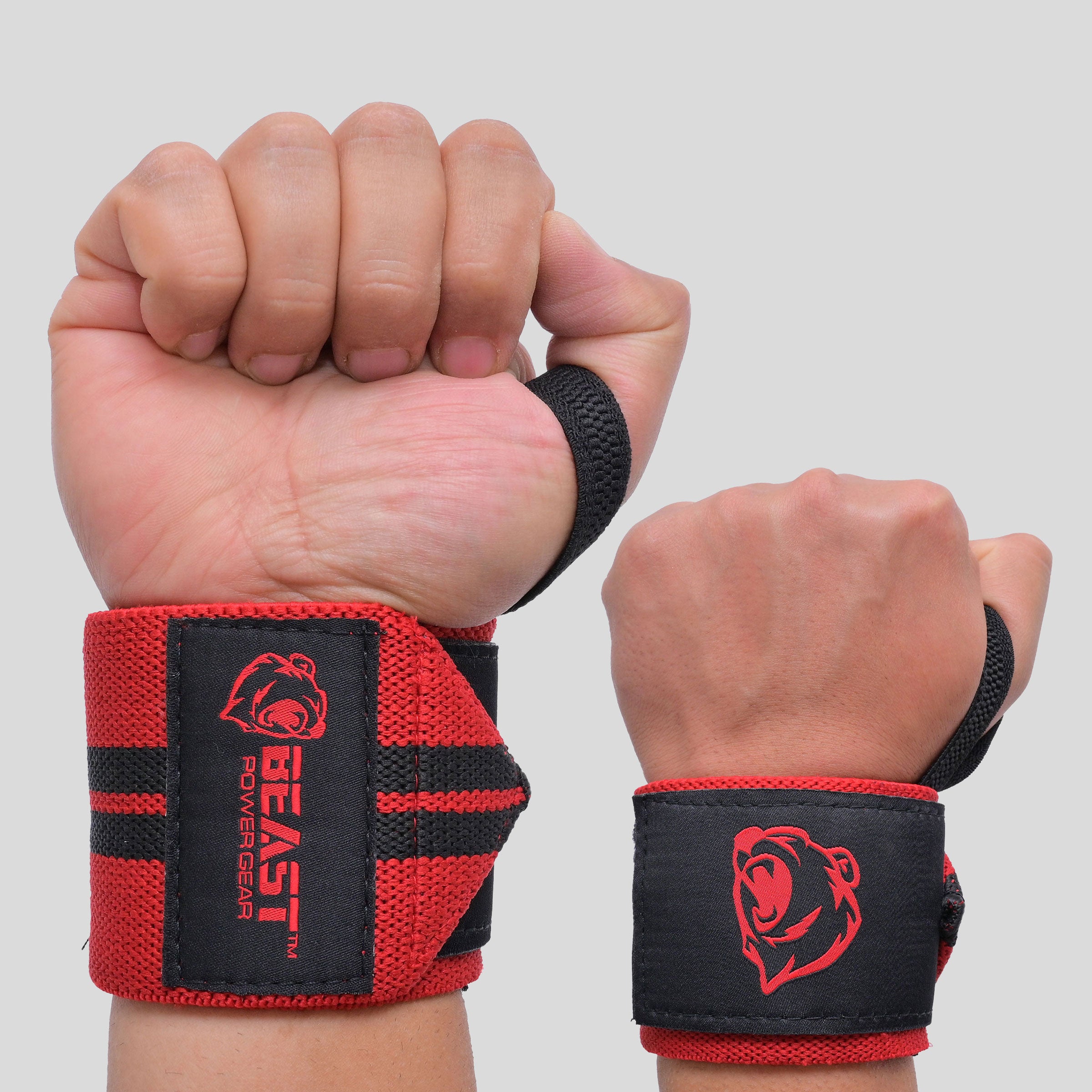
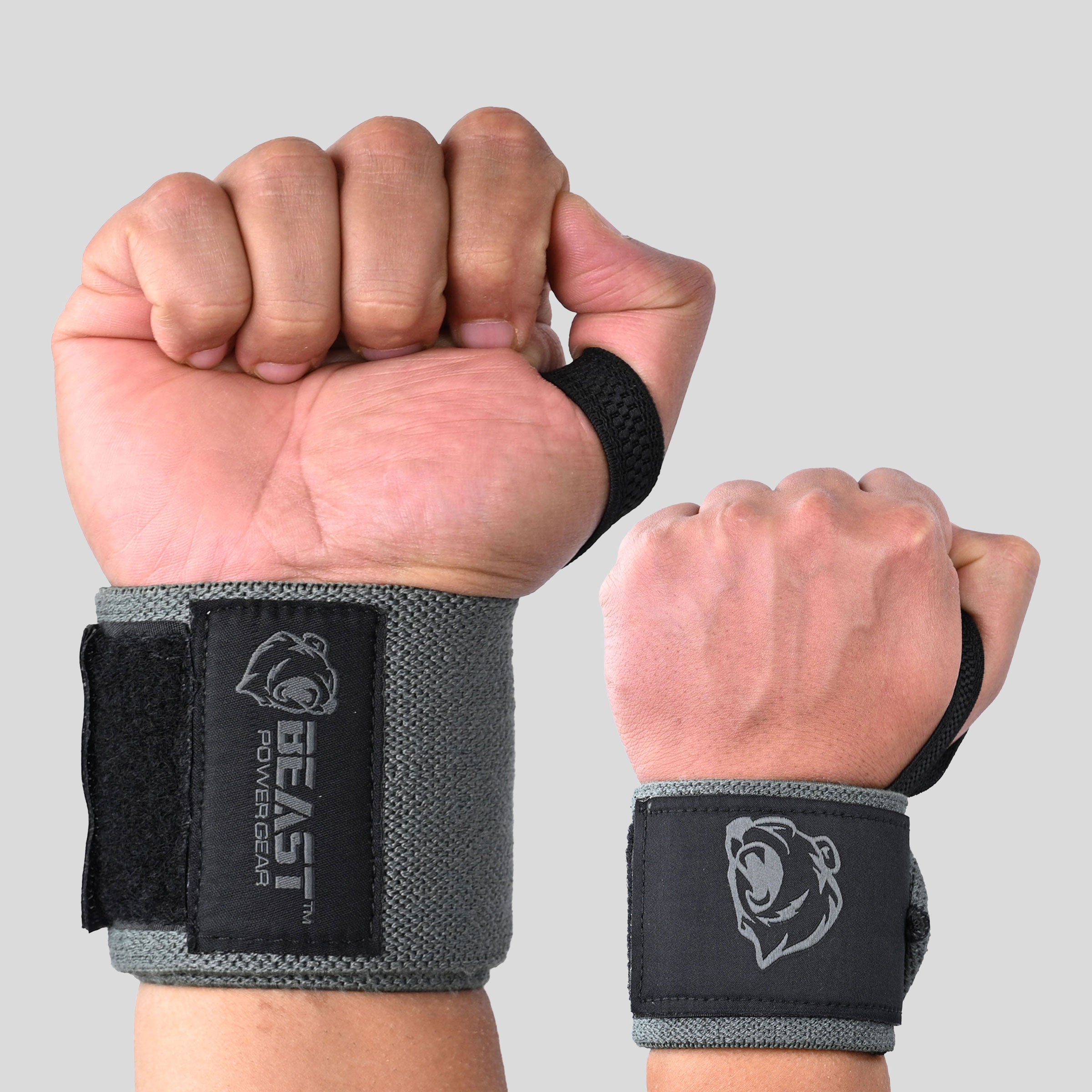
Lifting hooks are training accessories that typically feature a metal hook and wrist padding. The hook attaches around a bar or handle, while the padded strap fits around your wrist.
Unlike ordinary lifting straps, which wrap around a bar, lifting hooks use a hook-shaped attachment to help hold the equipment. Designs vary, so always check the product instructions before use.
Benefits of Using Weightlifting Hooks
1. Support Your Grip During Pulling Exercises
Your grip can become tired before the larger muscles involved in an exercise. Lifting hooks may help reduce how much you need to hold the bar with your fingers, depending on the exercise and equipment.
2. Help You Focus on Your Training
When used correctly, lifting hooks can help you concentrate on your exercise technique rather than worrying as much about your grip.
3. Provide Wrist Padding
Many lifting hooks include padded wrist supports. Padding can make them more comfortable to wear, but the fit should never be so tight that it causes numbness, tingling, or pain.
4. Useful for Selected Gym Exercises
Weightlifting hooks are commonly used for certain pulling movements, including deadlifts, barbell rows, and shrugs. Check that your particular hooks are suitable for the exercise before using them.
How to Use Lifting Hooks Correctly
Follow these steps before adding lifting hooks to your workout.
-
Check your equipment: Inspect the hooks, straps, stitching, and padding for damage.
-
Position the wrist support: Secure the padded section comfortably around your wrist according to the manufacturer's instructions.
-
Attach the hook: Place the hook around the bar or handle as directed by the product instructions.
-
Check your grip and position: Make sure the hook is secure and your body position is correct before beginning the movement.
-
Start with a manageable weight: Practice with a light load so you can learn how the hooks feel.
-
Remove them safely: Release the weight and detach the hooks before moving away from the equipment.
Never use damaged hooks or rely on them to compensate for poor technique.
Lifting Hooks vs. Lifting Straps
Lifting hooks use a hook-shaped attachment, while lifting straps generally wrap around the bar and your hand. Both can help support grip during certain exercises, but the best choice depends on your training style, comfort, and the equipment you use.
Beginners may benefit from learning proper lifting technique and developing grip strength before deciding whether either accessory is necessary.
How to Choose the Right Weightlifting Hooks
Consider these factors before purchasing a pair:
-
Comfort: Look for wrist padding that fits comfortably.
-
Construction: Check the quality of the hook, stitching, and materials.
-
Fit: Select a design that suits your wrist size and training needs.
-
Exercise compatibility: Confirm that the hooks are intended for the movements you perform.
-
Instructions and weight limits: Follow the manufacturer's guidance and never exceed the stated limits.
Avoid choosing a product based on appearance alone. Fit, construction, and safe use are more important.
Common Mistakes to Avoid
Some common mistakes include wearing wrist supports too tightly, using damaged equipment, attaching hooks incorrectly, and lifting loads that are too heavy to control.
Lifting hooks do not replace good technique or appropriate training progression. Stop using them if they cause pain, numbness, or discomfort.
Are Lifting Hooks Worth Using?
Lifting hooks may be helpful for people who want additional grip support during selected strength exercises. However, they are not essential for every lifter or every workout.
Choose accessories that match your needs, learn how to use them properly, and prioritize safe lifting technique.
Final Thoughts
The right gym accessories can help make strength training more comfortable and convenient. By understanding how lifting hooks work, checking their fit, and following safe-use instructions, you can decide whether they belong in your training routine.
Explore the weightlifting accessories available at Beast Power Gear to find equipment that suits your workout needs.